

What Electrical Does a Pool Need?
Dedicated circuits for the pump, heater and lights, GFCI protection, and an equipotential bonding grid. What a pool needs, and why bonding comes first.
Dedicated circuits for the pump, heater and lights, GFCI protection, and an equipotential bonding grid. What a pool needs, and why bonding comes first.

Strip-out, lighting controls, distribution, dedicated equipment circuits and handover documents. What a tenant build-out needs, and who pays for it.
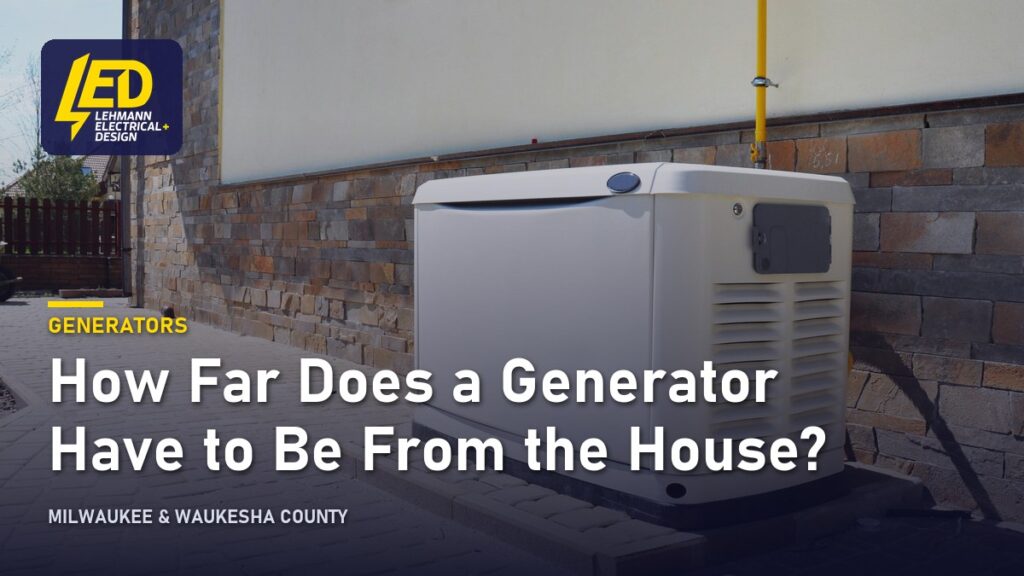
A home standby generator needs 5 feet from windows, doors and vents, 3 feet at the front and ends, and 18 inches behind on SwRI-labeled units.
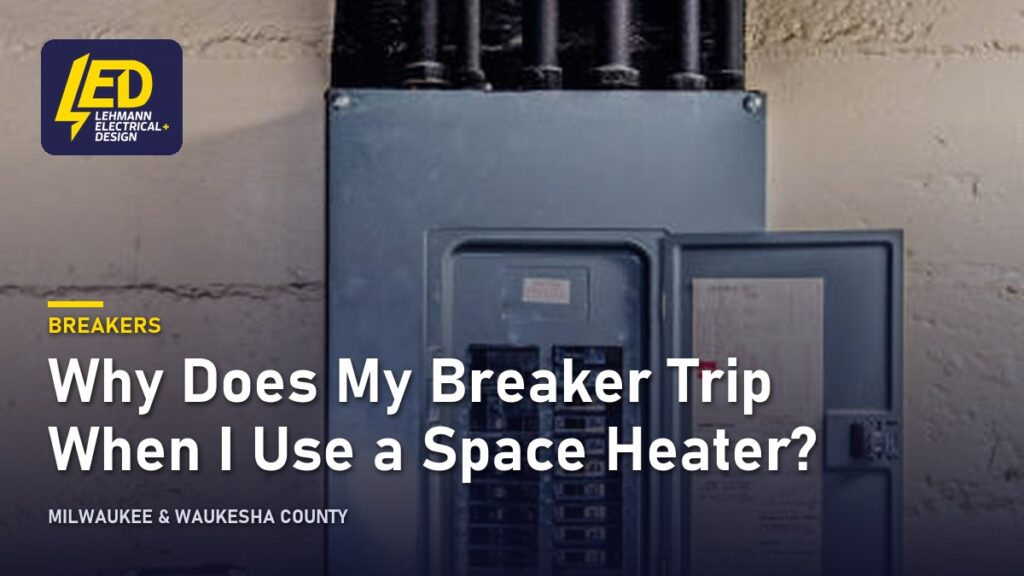
A 1,500-watt heater draws 12.5 amps, 83% of a 15-amp breaker, so almost anything else on that circuit trips it. What an electrician checks first.

Aluminum wiring is not dangerous along the wire. The risk is at the connections, and CPSC accepts only three permanent repairs. Milwaukee area.

No single Wisconsin rule sets how often a commercial building has to be inspected once it is in service, so the interval is a judgement.
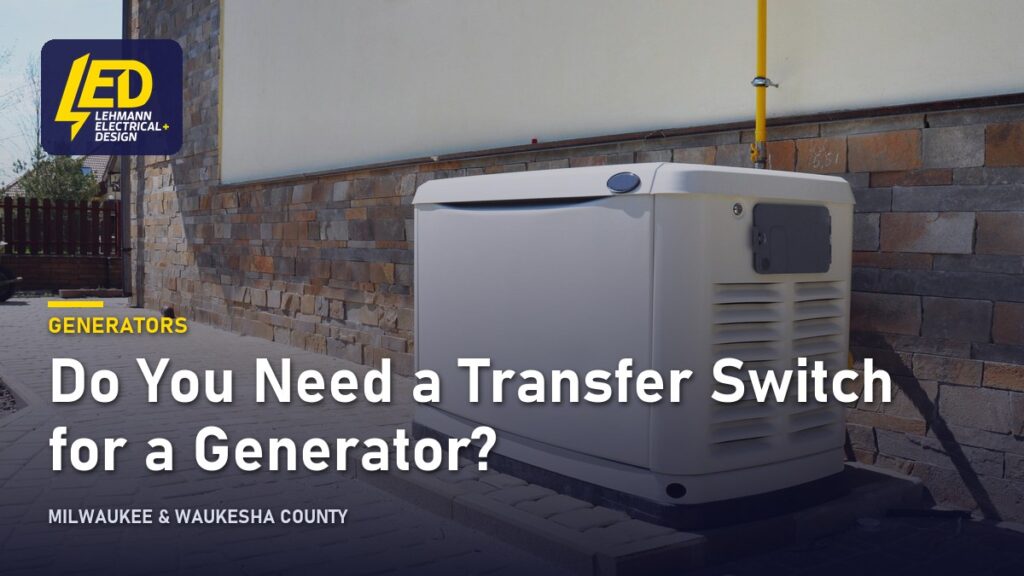
Yes, in almost every case. A transfer switch is the only connection that cannot backfeed the street, and it is what makes a generator safe to use.

A standard 240-volt hot tub needs its own dedicated circuit. The exact amperage comes from the manufacturer’s nameplate, not a rule of thumb.
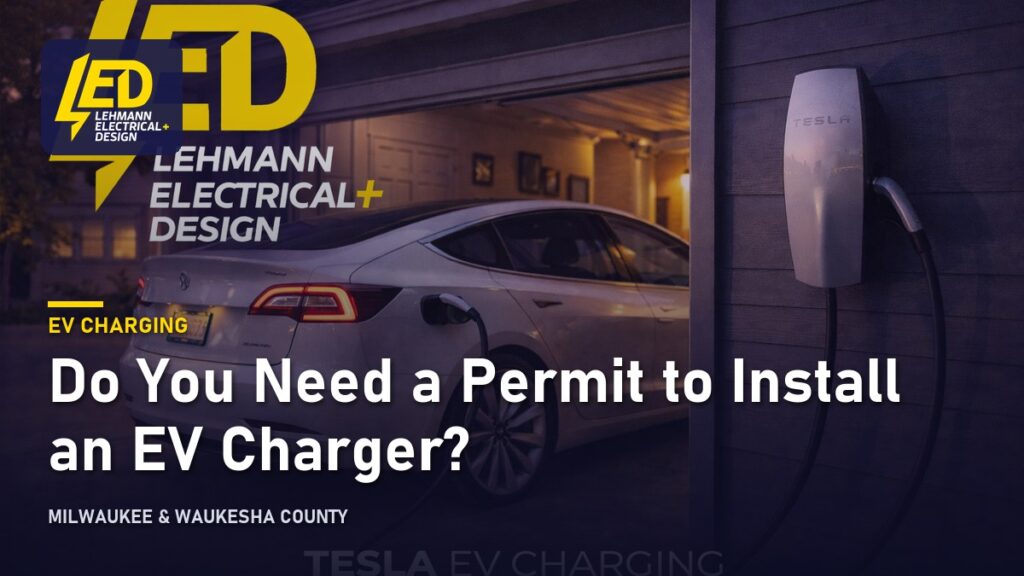
Yes. A Level 2 charger needs a new 240-volt circuit, which your municipality permits and inspects. What that involves, and who pulls the permit.
The range, dryer, dishwasher, disposal, microwave, fridge, furnace and sump pump each want their own circuit. Why, and when you need a new one.