
If you’re considering solar panels for your Wisconsin home, understanding your monthly bill changes is crucial for making an informed decision. The average US electricity bill in the first half of 2023 was $146.92, based on monthly consumption of 881 kWh, but Wisconsin homeowners face unique considerations with local utilities like WE Energies and state-specific solar incentives.
At Lehmann Electrical & Design, we’ve helped hundreds of Wauwatosa and Milwaukee-area homeowners navigate their transition to solar energy. This comprehensive guide breaks down exactly what to expect from your monthly solar panel bill in Wisconsin.
Understanding Your Electric Bill with Solar Panels
Yes, you will still receive an electric bill if you have solar panels. However, your solar panels will offset some or all of the charges on the bill. In Wisconsin, most utility companies offer net metering programs that credit you for excess electricity your solar panels produce.
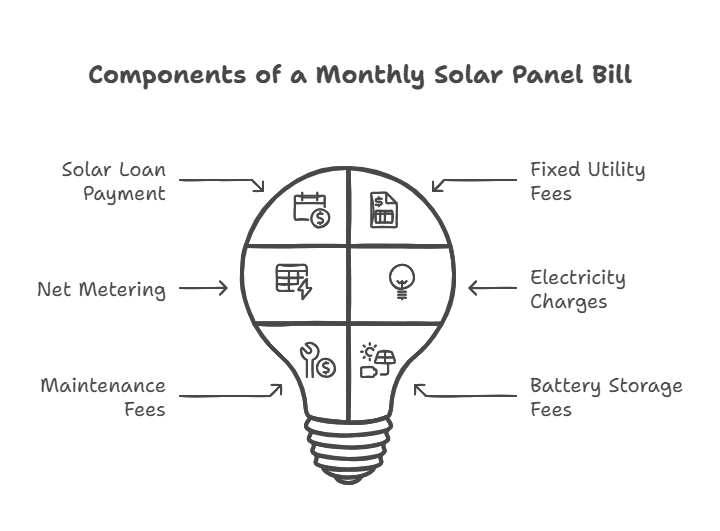
Your monthly bill will typically include:
- Grid electricity charges (reduced or eliminated)
- Solar loan payments (if financed)
- Basic connection fees (usually $10-25/month)
- Net metering credits (earnings from excess production)
What is the average Monthly Bill for Solar Panels?
The average monthly loan payment for a 7.1-7.7 kW system is between $141 to $229, with quotes ranging from $164 and $229. This is for 25-year loans at 4.99-6.99% APR. For example, the average loan payment will be from $141 to $165 for a 7.5 kW system. But with the dealer fee and longer loan terms, it can go up to $229 or more. The cost will vary depending on the location, tax credits, and lender fees.
For example, a properly sized solar system with a 7.4-7.5 kw system capacity and 5 hours of direct daily sunlight can easily offset an average U.S. household’s electricity consumption. It will reduce the electric bill to zero. However, if the system is not sufficient, the cost will be higher since you have to pay monthly energy bills.
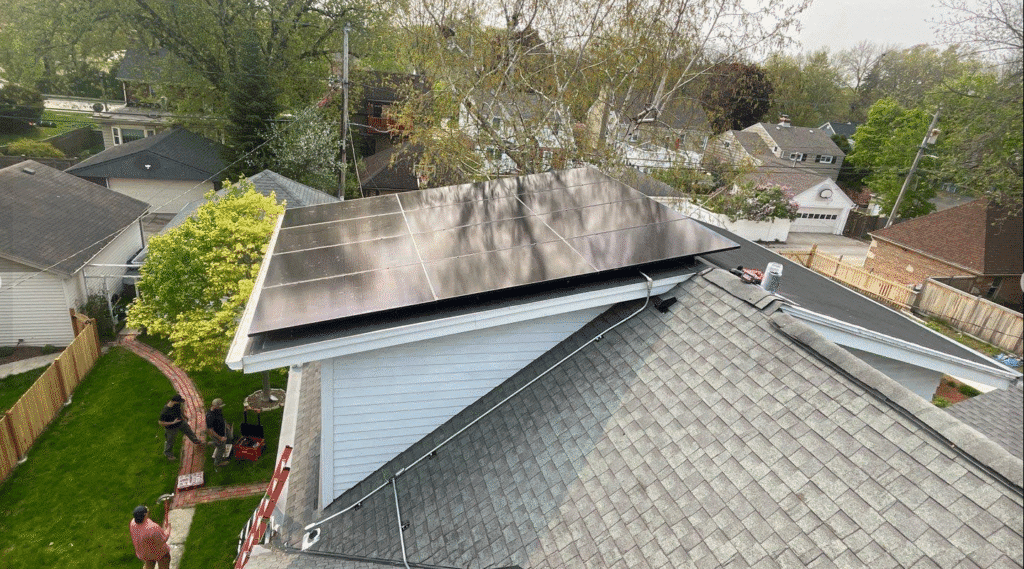
Wisconsin Solar Panel Monthly Costs Breakdown
Average System Costs in Wisconsin
The average cost of a solar panel system (including installation) in the U.S. is $17,823, but Wisconsin homeowners often see slightly lower installation costs due to competitive local markets. For a typical 6kW system suitable for average Wisconsin homes:
- Upfront Cost: $15,000 – $18,000
- After Federal Tax Credit: $10,500 – $12,600
- Monthly Loan Payment: $85 – $130 (20-year financing)
Monthly Savings Scenarios
Scenario 1: $150 Monthly Electric Bill
- Solar loan payment: $110/month
- Reduced electric bill: $15/month (connection fees only)
- Net monthly savings: $25 initially, increasing yearly
Scenario 2: $200 Monthly Electric Bill
- Solar loan payment: $125/month
- Reduced electric bill: $20/month
- Net monthly savings: $55 initially, growing over time
Wisconsin-Specific Solar Benefits
Wisconsin homeowners enjoy several advantages that improve monthly solar economics:
Focus on Energy Rebates
Wisconsin’s Focus on Energy program offers cash rebates up to $500 for solar installations, reducing your overall system cost and monthly payments.
Net Metering Policies
Most Wisconsin utilities offer 1:1 net metering, meaning you earn full retail credit for excess solar production. This maximizes your monthly bill offset potential.
Property Tax Exemptions
Solar installations don’t increase your property taxes in Wisconsin, keeping your overall monthly housing costs manageable.
Solar Installation and Electrical Services
When planning your solar installation, proper electrical work is crucial for safety and performance. Lehmann Electrical & Design provides comprehensive electrical installation services including:
- Solar panel electrical connections
- Electrical panel upgrades for solar compatibility
- Residential electrical services for whole-home energy efficiency
Our certified electricians ensure your solar system integrates seamlessly with your home’s electrical infrastructure, maximizing your monthly savings potential.
How Solar Panels Pay for Themselves
With a cash purchase, solar panels typically take 7-10 years to pay for themselves, but financing options make solar accessible with immediate monthly savings. Here’s how the economics work:
Year 1-5: Small monthly savings as loan payments offset most electric bill reduction Year 6-10: Increasing savings as electricity rates rise but solar payments remain fixed Year 11-25: Maximum savings with paid-off system and rising utility rates
Maximizing Your Monthly Solar Savings
To optimize your monthly solar panel bill in Wisconsin:
- Right-size your system – Match production to your actual usage
- Time energy-intensive activities during peak solar production
- Consider battery storage for maximum grid independence
- Maintain your system with professional commercial electrical services
Wisconsin Solar Financing Options
Several financing options affect your monthly solar costs:
- Solar loans: $80-150/month typical payments
- Solar leases: $50-120/month with no upfront costs
- Power Purchase Agreements (PPAs): Pay only for power produced
- Cash purchase: No monthly payments, maximum long-term savings
Components of a Monthly Solar Panel Bill
The Role of Professional Installation
Proper installation directly impacts your monthly solar performance. At Lehmann Electrical & Design, our electrical contractor services ensure optimal system performance through:
- Professional electrical panel assessment
- Code-compliant installation
- System monitoring setup
- Ongoing maintenance support
Future-Proofing Your Solar Investment
Wisconsin’s energy landscape continues evolving, making solar increasingly valuable. Recent legislative changes and utility programs strengthen the case for solar adoption, improving long-term monthly savings potential.
Consider additional electrical upgrades to maximize your solar investment:
- Electric vehicle charging stations
- Smart home electrical systems
- Energy-efficient lighting upgrades
Conclusion
Monthly bills for solar panels in Wisconsin typically result in immediate savings that grow over time. While you’ll have solar loan payments initially, most homeowners see net positive cash flow within the first year, with substantial long-term savings.
Ready to discover your potential monthly solar savings? Contact Lehmann Electrical & Design at our Wauwatosa location for a personalized solar assessment and quote. Our experienced team will analyze your current electric bills and design a system that maximizes your monthly savings potential.
Frequently Asked Questions
1. What will my electric bill look like with solar panels in Wisconsin?
Your Wisconsin electric bill will show reduced energy charges offset by solar production credits through net metering. You’ll typically pay only basic connection fees ($15-25/month) plus any additional grid electricity used beyond your solar production.
2. How much can I save monthly with solar panels in Wisconsin?
Wisconsin homeowners typically save $50-150 monthly on electricity costs after accounting for solar loan payments. Savings increase over time as utility rates rise while solar payments remain fixed.
3. Do I still pay WE Energies if I have solar panels?
Yes, you’ll still receive a WE Energies bill, but charges will be significantly reduced. With proper system sizing and net metering, your monthly WE Energies costs may drop to just basic connection fees.
4. What happens to my solar bill in winter months in Wisconsin?
Wisconsin’s shorter winter days reduce solar production, potentially increasing your monthly electric bill during December-February. However, summer overproduction credits often offset winter usage through annual net metering programs.
5. Can Lehmann Electrical help with solar panel installation?
Lehmann Electrical & Design provides comprehensive electrical services for solar installations, including electrical panel upgrades, proper system connections, and ongoing electrical maintenance to ensure optimal performance and safety.