
If you’re considering solar panels for your home, you’re probably wondering whether this technology will save you money or end up being an expensive mistake. After helping hundreds of Milwaukee-area homeowners navigate solar decisions over the past decade, I can tell you that solar energy can be excellent for some homeowners and a poor choice for others.
The key is understanding your specific situation before making this significant investment.
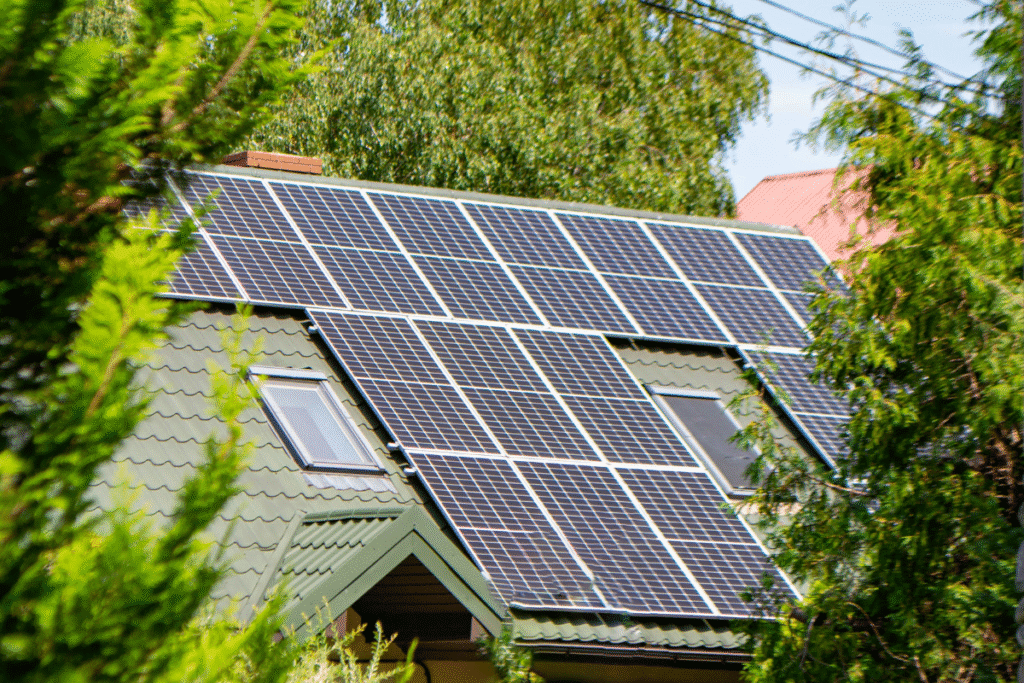
The Real Financial Impact of Solar Energy
Upfront Costs and Hidden Expenses
A typical residential solar system costs between $15,000 and $25,000 before incentives. However, the actual amount you’ll pay depends on several factors:
System size: Most homes need a 6-8 kW system, costing roughly $3.00-$4.00 per watt installed. A 7 kW system would cost approximately $21,000-$28,000 before incentives.
Equipment quality: Premium panels and inverters cost more upfront but typically offer better warranties and performance. Budget systems may seem attractive but often require more maintenance.
Hidden costs to consider:
- Roof repairs or reinforcement ($2,000-$8,000)
- Electrical panel upgrades ($1,500-$3,000)
- Permit fees ($500-$2,000)
- Monitoring system subscriptions ($10-$20/month)
Monthly Savings and Payback Period Calculations
Your monthly savings depend on your current electricity usage and local utility rates. In Wisconsin, where average electricity costs $0.14 per kWh, a typical homeowner using 900 kWh monthly can save $100-$140 per month with a properly sized system.
Simple payback calculation:
- System cost after incentives: $18,000
- Monthly savings: $120
- Payback period: 12.5 years
Most quality solar systems have 25-year warranties, meaning you’ll enjoy 12+ years of essentially free electricity after the system pays for itself. Calculate your solar savings and payback period with our free interactive tool!
Long-term ROI Analysis
Over 25 years, a typical solar investment can generate $15,000-$35,000 in savings, depending on your location and energy usage. This represents a 6-10% annual return on investment, which beats most conservative investment options.
However, these numbers assume:
- Stable utility rates (they typically increase 2-3% annually)
- Proper system maintenance
- No major equipment failures outside warranty periods
Environmental Benefits vs. Manufacturing Impact
Carbon Footprint Reduction Over System Lifetime
Solar panels typically offset their manufacturing carbon footprint within 1-4 years of operation. Over their 25-30 year lifespan, they prevent 20-50 tons of CO2 emissions per average household.
To put this in perspective: installing solar panels has roughly the same environmental impact as taking your car off the road for 2-3 years every year the system operates.
Manufacturing and Disposal Considerations
Solar panel manufacturing does require energy and raw materials, including silicon, silver, and aluminum. However, modern panels are increasingly recyclable, with 85-95% of materials recoverable at end-of-life.
The environmental payback period has decreased significantly as manufacturing becomes more efficient and the electrical grid remains heavily dependent on fossil fuels.
Key Factors That Determine Solar Success
Roof Condition and Orientation Requirements
Ideal conditions for solar:
- South-facing roof sections (southeast to southwest acceptable)
- 15-40 degree roof pitch
- Minimal shading between 9 AM and 3 PM
- Roof age under 10 years or recently inspected
Red flags that increase costs:
- Multiple roof planes or complex architecture
- Significant tree shading
- Roofs needing replacement within 5-10 years
- Structural concerns or older electrical systems
From our experience installing systems throughout Milwaukee, homes with simple roof layouts and good southern exposure typically see 15-25% better performance than complex installations.
Local Sunlight Exposure and Climate
Wisconsin receives 4.0-4.5 peak sun hours daily on average, making solar viable but not optimal. Southern states like Arizona (6+ hours) see much better returns.
Weather considerations:
- Solar panels work in cold weather and can be more efficient
- Snow typically slides off angled panels or melts quickly
- Cloudy days reduce but don’t eliminate production
- Hail and severe weather are covered by insurance
Utility Rates and Net Metering Policies
Net metering allows you to sell excess electricity back to the utility, typically at retail rates. Wisconsin’s net metering policies are currently favorable, but some utilities are moving toward time-of-use rates or reduced buyback rates.
Key questions for your utility:
- What’s the current net metering rate?
- Are there plans to change net metering policies?
- Are there interconnection fees or standby charges?
- What’s the process for system approval?
Step-by-Step: What to Expect During Solar Installation
Initial Assessment and Design
A reputable Solar Company Milwaukee will conduct a thorough site evaluation including:
- Roof inspection: Structural assessment, shading analysis, electrical review
- Energy usage analysis: 12 months of utility bills to size the system properly
- 3D modeling: Computer simulation showing expected production and optimal panel placement
- Financial projection: Detailed cost-benefit analysis with realistic savings estimates
This process typically takes 1-2 weeks and should be free from established installers.
Permitting and Installation Timeline
Timeline breakdown:
- Design and permitting: 2-6 weeks
- Equipment ordering: 2-4 weeks
- Installation: 1-3 days for most residential systems
- Utility interconnection: 2-8 weeks
- Total timeline: 2-4 months from contract signing
Installation day process:
- Safety setup and roof protection
- Mounting system installation
- Panel placement and wiring
- Inverter and monitoring system setup
- Initial system testing and commissioning
Professional Solar installation Milwaukee teams typically complete most residential installations in 1-2 days with minimal disruption to your daily routine.
System Activation and Monitoring
After installation, your system needs utility approval before activation. This “Permission to Operate” (PTO) process can take 2-8 weeks depending on your utility company’s efficiency.
Once active, most systems include monitoring apps that show:
- Daily and monthly production
- System performance compared to estimates
- Individual panel performance (with power optimizers)
- Environmental impact metrics
Common Solar Mistakes to Avoid
Choosing the Wrong Installer
Red flags to avoid:
- Door-to-door sales tactics or high-pressure closing
- Quotes significantly above or below market rates
- No local references or Better Business Bureau rating
- Promises that seem too good to be true
- Lack of proper licensing and insurance
What to look for:
- NABCEP-certified installers
- Local company with established track record
- Comprehensive warranties on equipment and workmanship
- Transparent pricing and realistic projections
- Strong local references and online reviews
Ignoring Roof Condition Issues
Installing solar on a roof that needs replacement within 5-10 years creates expensive complications. Always have your roof inspected by a qualified contractor before proceeding with solar.
If roof work is needed, coordinate it with your solar installation to avoid removing and reinstalling panels later.
Oversizing or Undersizing Your System
Oversizing problems:
- Higher upfront costs with diminishing returns
- Potential utility restrictions on system size
- More complex permitting requirements
Undersizing problems:
- Missed savings opportunities
- Higher per-watt installation costs
- Need for system expansion later
The optimal system size typically covers 80-100% of your annual electricity usage, accounting for potential efficiency improvements in your home.
Making Your Solar Decision
Quick Calculation Method for Potential Savings
Step 1: Find your annual kWh usage (last 12 months of electric bills) Step 2: Multiply by your current electric rate Step 3: Multiply by 20-25 years for lifetime utility costs without solar Step 4: Compare to total solar system cost after incentives Step 5: Factor in 2-3% annual utility rate increases
Example calculation:
- Annual usage: 10,000 kWh
- Current rate: $0.14/kWh
- 25-year utility costs: $48,000 (assuming 3% annual increases)
- Solar system cost after incentives: $18,000
- Potential 25-year savings: $30,000
When Solar Makes Sense (and When It Doesn’t)
Solar is typically a good investment when:
- Your electricity bills exceed $100 monthly
- You have suitable roof space and minimal shading
- You plan to stay in your home 7+ years
- Your roof is in good condition
- You qualify for federal and state incentives
Consider alternatives when:
- Your electric bills are very low (under $75 monthly)
- Significant roof shading or poor orientation
- Roof needs replacement soon
- You may move within 5-7 years
- Your utility has poor net metering policies
Key takeaway: Solar works best for homeowners with higher electricity usage, suitable roof conditions, and long-term homeownership plans. It’s not automatically good or bad – it depends entirely on your specific situation.
The Bottom Line: Is Solar Good or Bad?
Solar energy is neither universally good nor bad, it’s a tool that works exceptionally well for some homeowners and poorly for others. The determining factors are your roof conditions, electricity usage, local policies, and long-term housing plans.
Based on our experience with hundreds of installations, roughly 70% of homeowners who complete a thorough evaluation find that solar provides attractive financial returns. The remaining 30% typically have roof limitations, low electricity usage, or other factors that make solar less beneficial.
If you’re ready to explore whether solar makes sense for your home, Lehmann Electrical & Design offers free, no-pressure evaluations that include detailed financial projections and honest assessments of your property’s solar potential.
FAQs of Is Solar Energy A Good or Bad Thing to Buy
How much money can you really save with solar panels?
Typical homeowners save $15,000-$35,000 over 25 years, but actual savings depend on your electricity usage, local utility rates, and system size. Most see monthly savings of $80-$150.
Do solar panels work in cloudy weather or winter?
Yes, solar panels produce electricity on cloudy days and work more efficiently in cold weather. Snow typically slides off or melts quickly, and winter production is about 60-70% of summer levels.
How long do solar panels last before needing replacement?
Quality solar panels last 25-30 years with minimal performance degradation. Most warranties guarantee 80-85% of original output after 25 years, and many panels continue working well beyond their warranty period.
What happens if you produce more electricity than you use?
Excess electricity flows back to the grid through net metering, typically earning you credits at retail electricity rates. These credits offset usage during times when your panels aren’t producing enough power.
Are there hidden costs with solar panel installation?
Potential additional costs include roof repairs, electrical upgrades, permits, and ongoing monitoring fees. Reputable installers should identify and discuss these upfront during the assessment process.
What Does Buying Solar Energy Actually Mean?
Buying solar energy means getting access to solar electricity through different ownership models. You can install solar panels on your rooftop for home or commercial use, purchase solar power from a third party, or lease the systems in return for a monthly payment.
How does solar energy work for your home?
The photovoltaic cells inside the solar panels absorb sunlight and convert it into electricity. When sunlight falls into the cells, it generates (DC) direct current. A converter then converts the DC into usable AC. The AC powers the entire house or business.