
Homeowners who want to upgrade their kitchen with modern lighting, have basic DIY skills, and seek clear, safe guidance for a straightforward project. They know LED strip lights look great under cabinets, but aren’t sure about the 110V installation process, safety concerns, or whether they need an electrician.
By the end of this guide, you’ll understand exactly how to install 110V LED strip lights safely, know what tools you need, and be confident whether to DIY or call a professional.

Bright Kitchen Lighting Made Simple
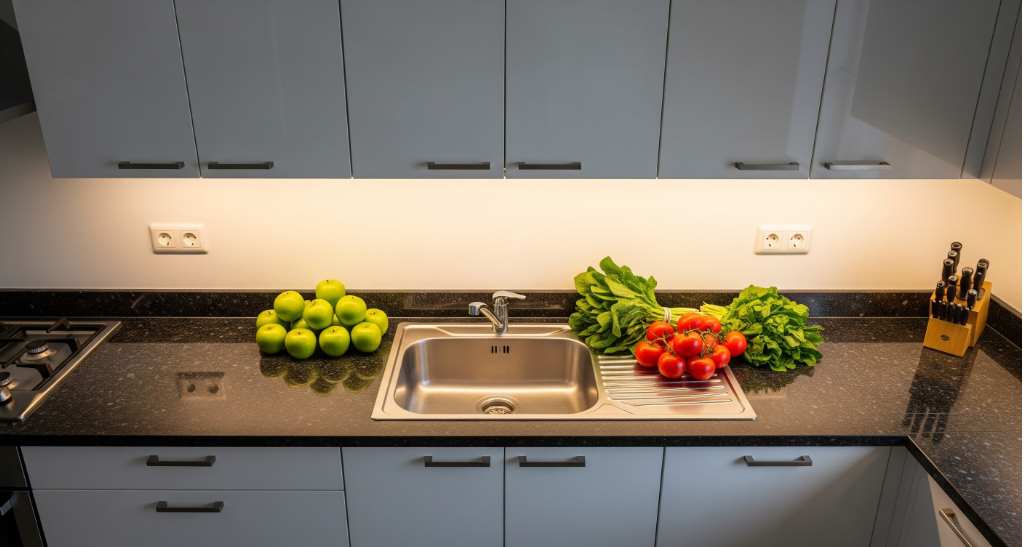
Imagine opening your kitchen cabinets at night and having perfectly placed light automatically illuminate your countertops. No more shadows while chopping vegetables. No more squinting to find what you need. This is what 110V LED strip lighting under cabinets delivers.
Unlike low-voltage LED strips that run on batteries or transformers, 110V LED strip lights connect directly to your household power supply, making them ideal for permanent kitchen installations. The best part? With the right preparation, most homeowners can install these lights themselves in under an hour.
Over the past several years, working with residential lighting projects, I’ve installed LED strips in dozens of kitchens. The difference between a messy, flickering installation and a clean, professional-looking result always comes down to one thing: understanding the fundamentals before you start.
Let’s break down everything you need to know.
What Are 110V LED Strip Lights and Why Choose Them?
Before you begin installation, it helps to understand what makes 110V LED strips different from other options.
110V LED strip lights are ideal for kitchen under-cabinet lighting, workbenches, garage shelving, and even retail displays. Unlike low-voltage alternatives that require transformers or batteries, these strips plug directly into standard wall outlets or hardwire into your electrical system.
Why choose 110V over low-voltage LED strips?
110V systems are permanent, reliable, and don’t require you to replace batteries or worry about transformer failures. They’re brighter and more energy-efficient than traditional incandescent under-cabinet lights. However, they do require proper electrical knowledge or professional installation to ensure safety.
What You’ll Need Before Starting
Preparation is everything. Installing LED strip lights requires measuring your cabinet length, planning power placement, cleaning the mounting surface, and securing the strips with clips or adhesive.
Essential Tools and Materials:
- Measuring tape
- LED strip light kit (110V rated, UL-listed)
- Dimmer switch (optional but recommended)
- Connectors and wire (often included in kits)
- Alcohol-based cleaner (rubbing alcohol works)
- Screwdriver
- Wire strippers (if hardwiring)
- Mounting clips or double-sided adhesive
- Electrical tape
Where to find these supplies: Hardware stores, home improvement retailers, or specialty LED lighting installation companies.
Step-by-Step Installation Process
Step 1: Measure Your Cabinets and Plan Power Placement
Start by measuring the underside length of each cabinet run where you want lights. Write these measurements down—this prevents ordering the wrong length.
Next, decide where your power source will be. Most homeowners route the power cord into a nearby outlet or have an electrician hardwire the system to a switch or dimmer. If using an outlet, choose one that’s discreet, like inside an appliance garage or behind the kitchen island.
Pro tip: If you have multiple cabinet runs, group them so you can use one power source to feed all strips.
Step 2: Clean the Mounting Surface
Peel the adhesive backing and stick the strip underneath the cabinet along the front edge to avoid shadows. Before you do this, clean the surface thoroughly. Make sure to clean the surface with rubbing alcohol and allow it to dry completely. Dust and grease prevent the adhesive from sticking properly, which can cause strips to sag or fall over time. Wipe the surface down twice if your kitchen gets heavy cooking use.
Step 3: Test Before Installing
Unroll the LED strip and test it to confirm it’s working before attaching it. Plug it in or connect it temporarily to make sure all segments light up evenly. This catches any defective strips before they’re permanently mounted.
Step 4: Mount the LED Strip
Starting from your power source side, carefully peel off the adhesive backing and press the LED strip down firmly along the front edge of the cabinet bottom. Work slowly and avoid stretching the strip.
For added support, you can use mounting clips or brackets, especially for longer runs. These are particularly useful for cabinets longer than 5 feet or in kitchens with heavy vibration from appliances.
Press down every 6 inches as you go. A small roller or your hand works fine for this.
Step 5: Connect the Power Supply
This step depends on whether you chose a plug-in or a hardwired installation.
For plug-in strips: Plug the included power adapter into a nearby outlet. Hide the cord along the underside of the cabinet or run it through a wire raceway for a cleaner appearance.
For hardwired installation: This is where you may want professional help. Hardwiring requires connecting the LED strip leads to your home’s electrical system through a wall switch or dimmer. Article 410 provides the requirements for installing luminaires, lampholders, lamps, and decorative lighting products on larger voltage systems. Unless you’re experienced with electrical work, hiring a licensed electrician from Lehmann Electrical & Design ensures compliance with local electrical codes.
Step 6: Install a Dimmer (Optional)
A dimmer switch lets you adjust brightness for different tasks and moods. Some LED strips include integrated dimmers; others require installation of a separate switch.
If adding a dimmer, follow the manufacturer’s instructions carefully. Incompatible dimmers can cause flickering or damage the LED strip.
Common Mistakes to Avoid
Over years of LED installations, I’ve seen these mistakes crop up repeatedly:
- Skipping the surface cleaning: Dirty surfaces cause adhesive failure. Always clean first.
- Installing without testing: A defective strip discovered after mounting wastes time and potentially damages your cabinet finish.
- Using low-quality mounting adhesive: Budget strips sometimes include weak adhesive. Use mounting clips for added security, especially on longer runs.
- Incorrect power placement: Power cords running across visible areas look unprofessional. Plan your routing before you start.
- Mixing incompatible components: Not all LED strips work with all dimmers. Confirm compatibility before purchasing.
When to Call a Professional Electrician
DIY installation works well for plug-in 110V LED strips. However, hardwiring requires electrical expertise.
You should hire a professional electrician if you’re:
- Uncomfortable working with electrical wiring
- Planning to hardwire the system into your home’s electrical panel
- Installing in areas with moisture (bathrooms, outdoor kitchens)
- Unsure whether your home’s electrical system can support the load
Lehmann Electrical & Design provides expert electrical services in Milwaukee and the surrounding areas. A licensed electrician ensures your installation meets electrical codes, works safely, and includes proper circuit protection.
The cost of professional installation—typically $200 to $500—is worth the peace of mind and compliance.
Maintenance and Troubleshooting
LED strips require minimal maintenance, but a few simple steps keep them performing beautifully.
- Regular cleaning: Dust accumulates on the light surface over time. Gently wipe with a soft, dry cloth every few months.
- Check connections: If strips flicker or dim unevenly, wiggle connectors to ensure they’re seated firmly.
- Monitor heat: LED strips generate minimal heat, but ensure nothing blocks airflow around the power supply.
- Inspect adhesive: If strips begin to sag, add mounting clips for support rather than re-adhering, which often fails.
What to Do Next
Ready to brighten your kitchen? Start by measuring your cabinets and researching UL-listed 110V LED strip kits that match your needs.
If you’re comfortable with basic electronics and plug-in systems, DIY installation is straightforward and saves money. For hardwired systems or if you prefer professional work, contact Lehmann Electrical & Design or a local lighting contractor to schedule a consultation.
Modern lighting transforms how we use our kitchens. With proper installation, your new LED strips will provide years of reliable, beautiful light—and make those late-night snack runs much easier.
Key Takeaway
110V LED strip lights offer a permanent, energy-efficient way to upgrade kitchen under-cabinet lighting. While DIY plug-in installation is achievable for most homeowners with basic tools and careful preparation, hardwired systems benefit from professional electrical expertise. Either way, the result is a brighter, more functional kitchen that looks great and lasts for years.
FAQ: How to Install LED Strip Lights Under Cabinets Using 110V
Is 110V LED strip lighting safe for kitchens?
Yes, when installed correctly. Use UL-listed 110V LED strips, ensure proper power supply connections, and follow local electrical codes. A licensed electrician should complete hardwired installations.
How long do 110V LED strips last?
Quality LED strips typically last 25,000 to 50,000 hours—roughly 10 to 20 years with normal use.
Can I dim 110V LED strips?
Many 110V LED strips are dimmable, but compatibility varies by manufacturer. Check product specifications before purchasing a dimmer.
How much do 110V LED strips cost?
Complete kits typically range from $80 to $300, depending on length, brightness, and included components. Professional installation adds $200 to $500.
Do 110V LED strips require a dedicated circuit?
Not always, but check your LED strip’s power draw (in watts) and ensure your circuit has available capacity. An electrician can determine this for your system.