Licensed master electrician · Call 414-207-0109

Most residential electrical inspections take 2 to 4 hours for a typical Milwaukee or Waukesha County home. A focused check, such as a single panel inspection or a safety check on one circuit, often runs 45 minutes to 90 minutes. A full inspection of an older, larger house with a finished basement and an attic to access can take most of a day. The written report usually follows within a few business days.
What the job actually involves
An electrical inspection is a licensed electrician walking the home’s wiring system from the service entrance to the last outlet, documenting what is safe, what is worn out, and what no longer meets the code in force. The “service entrance” is where the utility’s wires land at your house and feed the meter and main panel.
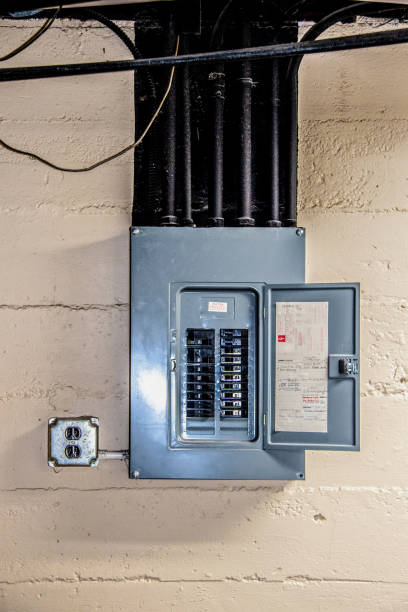
In practice, the visit moves through the house in a predictable order:
- The service and panel. The electrician looks at the service size in amperes (amps), the condition of the main panel, how circuits are labeled, whether breakers match the wire they protect, and whether there are signs of heat: discoloration, scorch marks, a hot-plastic smell, buzzing or crackling. Work behind the panel cover is done by the electrician, never the homeowner.
- Grounding and bonding. Whether the system has a proper ground path and whether metal water piping and gas piping are bonded.
- Branch circuits and devices. Outlets, switches, light fixtures, and junction boxes. GFCI devices (ground fault circuit interrupters, which cut power when current leaks out of the circuit by any path, including through a person) get tested. AFCI devices (arc fault circuit interrupters, which look for the signature of arcing in a 120 volt branch circuit) get checked where they are present.
- Wiring methods in accessible spaces. Basement, crawl space, attic, garage, unfinished utility areas. This is where knob and tube, old cloth-insulated cable, and amateur splices show up.
- Smoke and carbon monoxide alarms, including age and placement.
- Exterior. Weatherproof covers, outdoor receptacles, lighting, the meter base condition.
Nothing gets opened up behind finished drywall. An inspection is a visual and test-based assessment of what can be reached, which is why a detailed electrical inspection checklist matters more than the clock: the point is coverage, not speed.
How to tell if you need one
You need an electrical inspection when the age of the wiring, a change in how the house is used, or a specific symptom means nobody can honestly say the system is sound. The common triggers:
You are buying or selling. A general home inspector flags concerns; they do not test circuits or open panels the way a licensed electrician does. If a buyer’s report mentions the panel, knob and tube, or ungrounded outlets, a dedicated electrical assessment answers the question. Our breakdown of an inspection before buying covers that scenario in detail.
The house is 40 years or older and has never been assessed. Wiring does not fail on a schedule, but insulation hardens, devices wear, and the load a 1950s house was wired for is not the load a 2026 household puts on it.
You have symptoms. Breakers that trip repeatedly, lights that dim when an appliance starts, warm or discolored outlet faces, a buzzing panel, or a burning smell. If you smell burning or hot plastic, see scorch marks or discoloration, or hear buzzing or crackling, stop using that circuit or device, leave the breaker off, and call an electrician. Reset a tripped breaker once at most, firmly to OFF and then ON. If it trips again, leave it off until it has been inspected. The same rule applies to a GFCI: reset it once, and if it will not hold, there is a real leakage fault or a failed device.
You are a landlord or managing an estate, insurance, or a refinance. Some insurers and lenders ask for written confirmation that the system is sound, particularly where knob and tube or a fuse panel is present.
You added load. A finished basement, a hot tub, a shop, a second refrigerator, or a workshop with 240 volt tools changes the picture. An inspection includes a load calculation, which is the arithmetic that compares the house’s expected demand against the service size.
> An electrical inspection does not predict the future. What it does is replace a guess with a documented, prioritized list: what is unsafe and needs attention now, what is outdated but functioning, and what is simply the way the house was built and is fine to leave alone. That distinction is the whole value of the report.
What decides the price
Price tracks scope and access, not square footage alone. We do not publish a flat figure here because the honest answer is that two 1,900 square foot houses can differ by hours. The factors that move it:
| Factor | Pushes time and cost down | Pushes time and cost up |
|---|---|---|
| Home size and circuit count | Under 1,500 sq ft, 15 to 20 circuits | 3,000+ sq ft, 40 circuits, subpanels |
| Age and wiring type | Post-1990 copper, grounded throughout | Knob and tube, cloth-insulated cable, aluminum branch wiring |
| Panel | One modern panel, labeled | Fuse box, multiple subpanels, no labels, obsolete brands |
| Access | Open basement, walkable attic, empty garage | Finished basement, crawl space, stored boxes in front of the panel |
| Scope | Single-item check (one panel, one circuit) | Whole-home assessment with written report and load calculation |
| Deliverable | Verbal findings on the day | Formal written report with photos for a lender, insurer, or buyer |
| Add-ons | None | Thermal imaging, documenting findings room by room for a real estate negotiation |
A narrow request costs less because it is less work. A panel-only inspection, a GFCI and AFCI functional check, or a look at one problem circuit is a defined task. A whole-home assessment on a 1920s home with three generations of added wiring is a different job.
For a general sense of market rates, home-services pricing aggregators publish national averages for home electrical inspections, typically a few hundred dollars. Treat those as national averages and not a Wisconsin quote. The accurate number for your house comes from describing the house: year built, panel type, square footage, and what prompted the call.
How long it takes and what is disrupted
Here is the realistic time range by type of inspection:
| Inspection type | Typical on-site time |
|---|---|
| Single panel inspection | 45 to 90 minutes |
| Safety check on one problem circuit or device | 30 to 60 minutes |
| Whole-home inspection, average home under 2,000 sq ft | 2 to 3 hours |
| Whole-home inspection, large or pre-1960 home | 3 to 6 hours |
| Annual or recurring safety check, already documented previously | 1 to 2 hours |
| Rental or insurance safety check | 1.5 to 3 hours |
| Municipal (permit) inspection of completed work | 20 to 45 minutes |
What is actually disrupted. Less than people expect. Power stays on for most of the visit. The electrician will need the main power off for a short period, usually 15 to 30 minutes, to remove the panel cover and examine terminations safely. Plan for that: save work on the computer, and know that a chest freezer is fine for that long with the lid shut.
Individual circuits get switched off and on as devices are tested, so a desk lamp or a Wi-Fi router may blink. GFCI testing deliberately trips those devices, which means outlets in bathrooms, the kitchen, the garage, and outdoors cut out briefly.
What the electrician needs from you. Clear access to the panel, the basement or crawl space entrance, the attic hatch, the water heater and furnace area, and the exterior meter. Pets secured. An adult home who can answer questions about the home’s history. Moving storage away from the panel in advance can save half an hour of billable time.
The report. Verbal findings come at the end of the visit, on the day. A formal written report with photos, a prioritized findings list, and any load calculation generally follows within a few business days, sooner for a narrow single-item check. If you need it by a specific date for a closing or an insurance deadline, say so when you book so the schedule can be built around it.
Inspection booked and need to plan around it?
A licensed electrician gives you a realistic window for the size of the property and tells you what will be switched off while it happens.
Licensed master electrician. 12-month workmanship warranty.
Permits and inspection
Two different things share the word “inspection,” and confusing them causes real scheduling headaches.
A private electrical inspection is the assessment described above. You hire a licensed electrician. No permit is involved, because nothing is being installed or altered. You own the report.
A municipal inspection is the code-compliance inspection a local building department performs on permitted work after it is finished. Permits are issued by your municipality, Milwaukee, Wauwatosa, Waukesha, and the surrounding communities, which enforce Wisconsin SPS 316, the state’s electrical rules. SPS 316 adopts the 2023 National Electrical Code, in effect since September 1, 2026. Work permitted before that date was done under the 2017 NEC, and existing installations are not required to be brought up to the newer edition unless they are altered.
A municipal inspector’s visit is short, commonly 20 to 45 minutes, because the inspector is checking specific permitted work, not auditing the whole house. The wait for the appointment, however, is set by the municipality’s queue and is usually the longer part. Scheduling windows vary by community and by season.
If a private inspection turns up work that needs to be corrected, that corrective work is permitted and inspected separately. You can book a whole-home electrical inspection without committing to any repairs; the report is yours either way, and you are free to get other bids on the fixes.
Choosing an electrician
Ask three questions before you book an inspection.
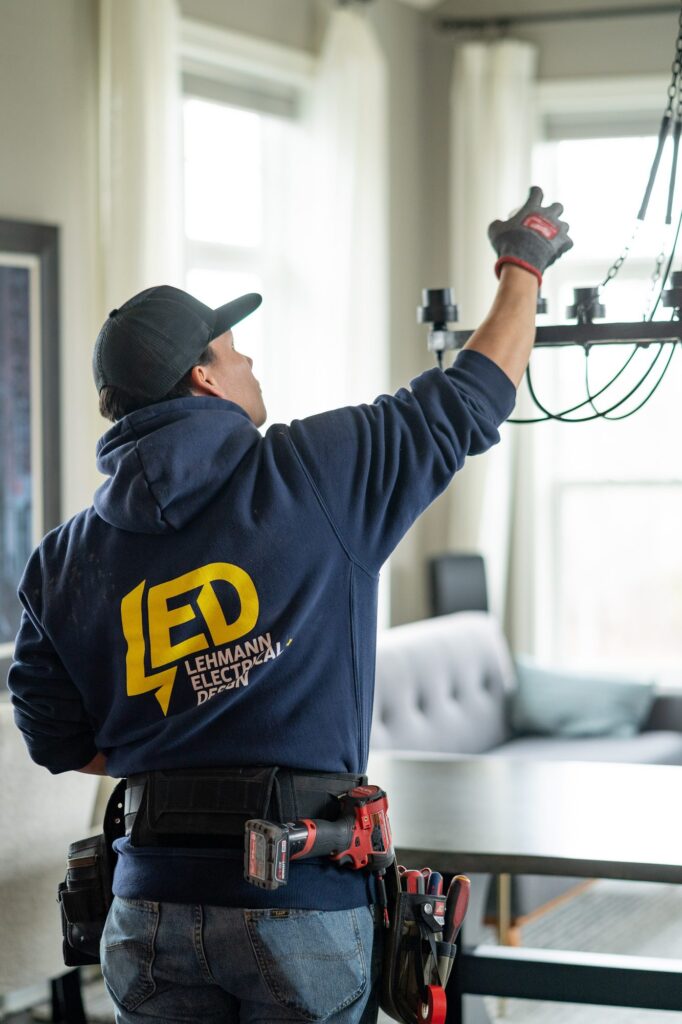
Who is doing the work and what are they licensed to do? Lehmann Electrical & Design is led by master electrician Jacob Lehmann, out of Wauwatosa. A master electrician’s judgment is what separates a report that distinguishes “unsafe” from “merely old” and a report that flags everything.
What do I receive at the end? A verbal summary is not the same as a written, photographed, prioritized report. If a lender, insurer, or buyer’s agent needs documentation, confirm the deliverable and the turnaround before the visit.
Is the inspection independent of the repair quote? You should be able to take the findings and decide what to do next on your own timeline. Lehmann holds an A+ rating with the Better Business Bureau, carries 4.9 stars on Google, and backs its own installation work with a 12-month workmanship warranty.
A final note on scope: no one should be opening a panel cover, working on service conductors, or handling anything on the line side of the meter except a licensed electrician. With the main breaker off, the service conductors and the main breaker’s line-side lugs remain energized. A homeowner cannot de-energize them. Only the utility can, usually by pulling the meter, or a separate service disconnect if one is fitted ahead of the panel.
Why homeowners call Lehmann Electrical & Design
- Led by licensed master electrician Jacob Lehmann
- A+ rating with the BBB and 4.9 stars on Google
- 12-month workmanship warranty on the work we do
- Permits pulled and inspections scheduled as part of the job
- Milwaukee, Wauwatosa and Waukesha County, from 12012 W Fairview Ave, Wauwatosa
Want it scheduled around your day?
Tell us the size and age of the property and whether this is for a sale, a permit or peace of mind.
Licensed master electrician. 12-month workmanship warranty.
Frequently asked questions
▾How long does an electrical safety inspection take?
A safety-focused inspection of an average Milwaukee or Waukesha County home takes 2 to 3 hours. That covers the panel, grounding and bonding, GFCI and AFCI testing, accessible wiring, smoke and carbon monoxide alarms, and the exterior. A narrower safety check, for example confirming GFCI protection in wet locations or investigating one circuit, usually runs 30 to 90 minutes.
▾How long does an electrical panel inspection take?
A panel-only inspection typically takes 45 to 90 minutes. The electrician examines the enclosure, the breakers against the wire sizes they protect, terminations, labeling, and any signs of heat such as discoloration or a hot-plastic smell. Power to the panel is off for part of that, generally 15 to 30 minutes, while the cover is removed and the interior is assessed.
▾How often should you have an electrical inspection?
There is no universal interval. Practical guidance: every 3 to 5 years for a home over 40 years old, once at purchase or sale, after any significant renovation or load addition, and whenever symptoms appear. Rental properties often follow a shorter cycle set by the owner or insurer. A home wired in the last 20 years with no symptoms rarely needs one that frequently.
▾How long does an electrical report take to arrive?
A verbal summary of findings happens at the end of the visit. The written report, with photos, a prioritized findings list, and any load calculation, generally arrives within a few business days. A single-item check is usually faster. If you have a closing date or an insurance deadline, mention it when booking so the turnaround is scheduled accordingly.
▾How long does a municipal (council) electrical inspection take?
The inspector’s on-site visit is short, commonly 20 to 45 minutes, because they are verifying specific permitted work rather than the whole house. The longer variable is the wait for the appointment, which depends on your municipality’s queue. Permits are issued locally and enforce Wisconsin SPS 316, which adopts the 2023 NEC, in effect since September 1, 2026.
▾How much does an electrical inspection cost?
It depends on home size, wiring age, panel count, access, and whether you need a formal written report. Home-services pricing aggregators publish national averages in the low hundreds of dollars for a residential electrical inspection; treat those as national averages, not a local quote. The accurate figure comes from a short conversation about the year built, panel type, square footage, and what prompted the call.
Get a written quote for your inspection. Tell us the year the house was built, the panel type if you know it, and what prompted the call, and we will scope the visit and the turnaround honestly. Request an estimate or call 414-207-0109.
Next step
Get the inspection booked
Tell us the size and age of the property.
Licensed master electrician12-month warranty4.9 on Google
Milwaukee, Wauwatosa and Waukesha County. Prefer to talk? Call 414-207-0109