Licensed master electrician · Call 414-207-0109
Homeowners face uncertainty about electrical panel upgrade costs, timing, and whether their home actually needs one especially when considering modern power demands from solar systems, EV chargers, and new appliances. This guide provides current pricing data, warning signs to watch for, and actionable steps to determine if your home needs an upgrade and what to budget.
By the end, you’ll understand typical electrical panel upgrade costs, know when your home needs one, and feel confident deciding your next steps.
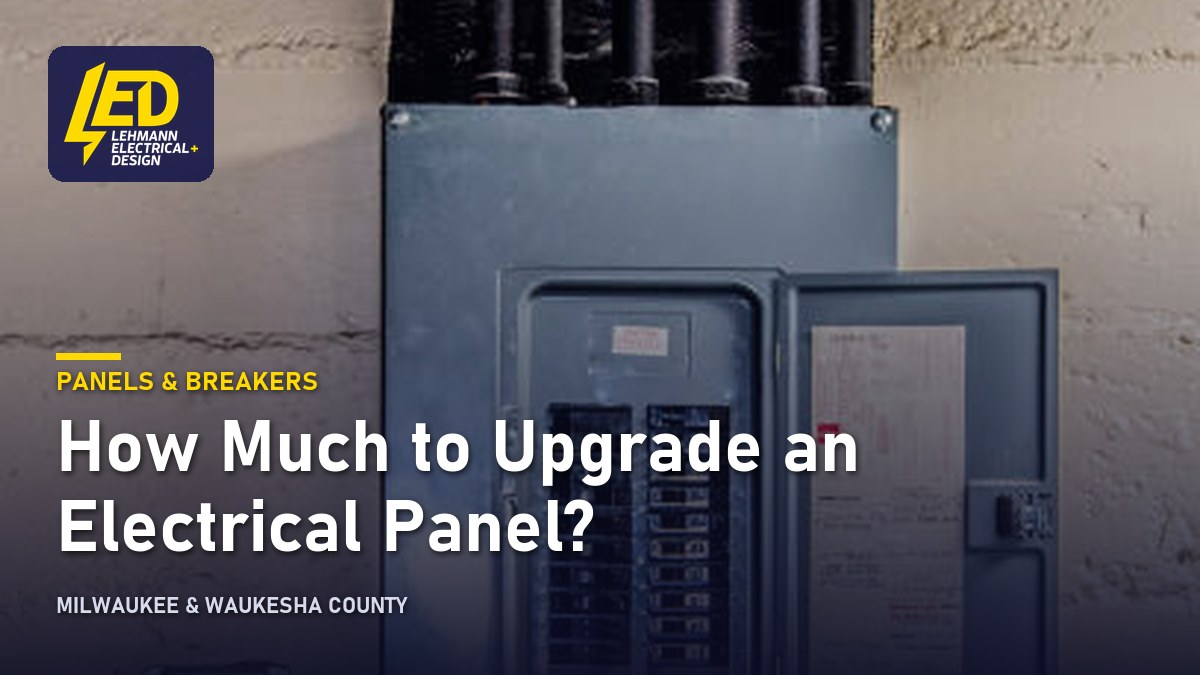
On average, replacing an electrical panel costs $1,341, with most homeowners
spending between $519 and $2,184. What moves the figure is the amperage you move up to, the
condition of the meter base and service entrance, and whether the panel has to be relocated to
meet the clearance the code now enforces.
Why Your Electrical Panel Matters
Your electrical panel is your home’s nervous system. It receives power from the utility company and distributes it throughout your home to outlets, lights, and appliances. Think of it as the traffic director for electricity managing which circuits get power and shutting them down if something goes wrong.
Most homeowners never think about their panel until something stops working. But an outdated or failing panel can cause flickering lights, appliances not running properly, or worse—electrical fires. An electrical panel has a lifespan of up to 40 years, so if your home is older, your panel might be nearing retirement.
Understanding your panel’s status helps you plan a safe, affordable upgrade before disaster strikes.
How Much Does an Electrical Panel Upgrade Actually Cost?
On average, replacing an electrical panel costs $1,341, with most homeowners spending between $519 and $2,184. However, the full picture depends on several factors that can push costs higher or lower.
For most residential properties, electrical panel upgrade costs typically range from $1,500 to $4,000, with the final price depending on your current panel’s amperage, the upgrade size you need, and any additional electrical work required.
Breaking Down the Electrical Panel Upgrade Costs
The price you’ll pay splits into two main areas:
The Panel Itself: You should plan on spending $250 to $450 for the panel itself. The brand and features determine whether you’re at the lower or higher end of this range.
Labor Costs: Labor for upgrading your electrical panel can cost anywhere from $1,000 to over $3,000 depending on the complexity of your installation. This is where most of your expense goes, since licensed electricians must carefully disconnect the old panel, install the new one, and test everything for safety.
Breakdown by Amp Rating
Here’s a table of costs:
| Amp Rating | Average Cost | Typical Use |
| 100 to 150 | $800 – $2,000 | Small homes |
| 150 to 200 | $1,300 – $3,000 | Average houses with solar |
| 200 to 400 | $2,500 – $4,500 | Large or high-load setups |
The Most Common Upgrade: 100 Amps to 200 Amps
The most common upgrade from 100 to 200 amps averages $1,300 to $3,000. Most older homes have 100-amp panels, which struggle with today’s electricity demands. Since 2015, new homes have been built with at least 200-amp service as the standard, making this upgrade one of the most popular renovations homeowners pursue.
Seven Warning Signs Your Electrical Panel Needs Upgrading
Don’t wait for an emergency. Watch for these red flags:
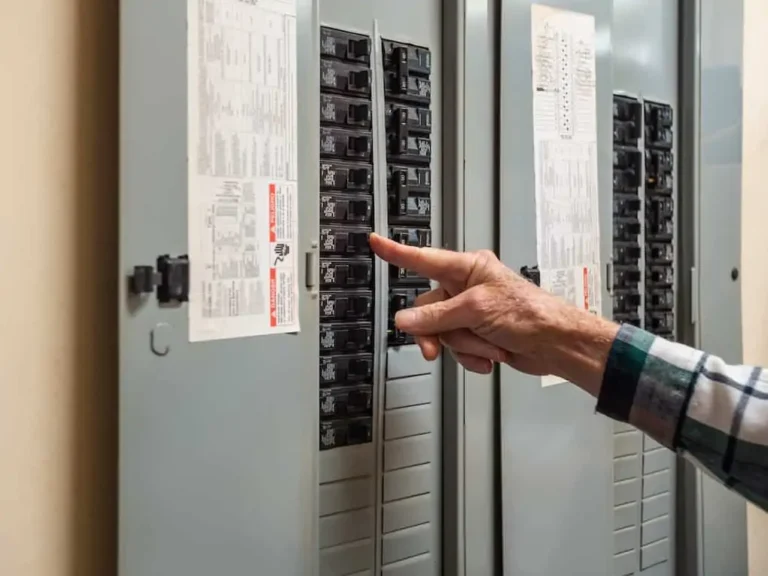
1. Breakers Keep Tripping: If you constantly flip a breaker back on after it trips, your home is trying to tell you something. Signs of needing an electrical panel upgrade include not having enough outlets and needing to flip breakers frequently. One flip isn’t a problem; it’s the pattern that matters.
2. Visible Rust or Corrosion: Your panel shouldn’t be wet or rusty. Signs of needing an electrical panel upgrade include the panel rusting. Moisture and rust damage the electrical components inside and create serious fire hazards.
3. Burning or Melting Smells: Unusual smells like burning or melting plastic indicate potential electrical issues that need immediate attention. This is a safety emergency. Leave your home and call a licensed electrician right away.
4. Buzzing, Crackling, or Sizzling Sounds: Buzzing, crackling, or sizzling sounds from an electrical panel are signs of trouble. These noises mean electrical arcing is occurring inside your panel a fire hazard that needs professional attention immediately.
5. You Still Have a Fuse Box: Older homes with fuse boxes instead of circuit breaker panels are living on borrowed time. Fuse boxes are an outdated system incapable of handling the power demands of modern households. Overloaded fuse boxes put you at an increased risk of shocks, electrical fires, power outages, and damage.
6. Planning Major Home Upgrades: Adding solar panels, installing an EV charger, or upgrading to central air conditioning often requires panel upgrades first. You may need an electrical panel replacement before installing central air conditioning or adding a chest freezer to the garage, especially if you live in an older home.
7. Visible Burn Marks on Breakers: Once all simple fixes are run through, and especially if you notice burn marks or rust on the breaker, it is likely time for an electrical panel replacement.
Panel Amperage: Understanding Your Home’s Electrical Capacity
Your panel’s amperage rating determines how much electricity can run through your home at once. Think of it like the width of a water pipe a wider pipe lets more water flow.
60 Amps: Found in older homes built before 1960. Far too low for modern living.
100 Amps: Common in homes built from 1960 to 2000. Adequate for basic needs, but struggles with multiple high-power appliances running simultaneously.
150 Amps: A middle ground option, though less common.
200 Amps: The current standard for new homes and recommended for most existing homes planning solar or EV charger installations.
400 Amps and Higher: Larger homes, especially those with all-electric heating and cooling, electric appliances, and home charging stations.
Why Your Home Might Need an Upgrade Even If It’s “Working Fine”
A panel doesn’t have to be failing to need replacement. Modern homes demand more power than older panels were designed to handle.
Solar System Installation: If you’re an environmentally conscious homeowner considering residential solar, your electrician will likely recommend a panel upgrade. Homeowners may find it necessary to upgrade their electrical panels to meet current building codes, which prioritize safety and quality standards. Your solar system needs a safe electrical foundation.
Electric Vehicle Charging: EV chargers require significant power. Your existing 100-amp panel may not safely handle both your home’s normal electricity use and a charging station pulling 30–50 amps.
Updated Building Codes: Homeowners may find it necessary to upgrade their electrical panels to meet current building codes, which prioritize safety and quality standards. If you’re selling your home or refinancing your mortgage, an outdated panel might fail inspection.
Want a real figure for your own house?
A licensed electrician looks at the meter base, the service entrance and the load the house actually draws, which is what sets the price, and puts it in writing.
Licensed master electrician. 12-month workmanship warranty.
The Upgrade Process: What to Expect
Understanding the timeline helps you plan. A typical electrical panel upgrade takes one to three days, depending on complexity.
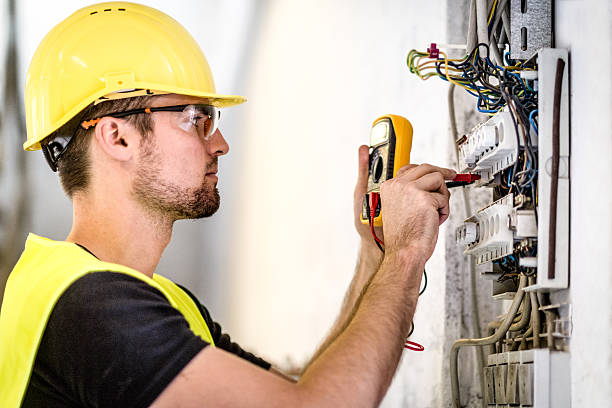
Day 1: Inspection and Disconnection: Your electrician evaluates your current setup and safely disconnects power to the old panel. This happens during daylight, so you have electricity while work proceeds.
Day 2: Installation: The new panel is installed, wired, and tested. Heavy work is done now. You may lose power temporarily while the meter is swapped.
Day 3: Inspection and Final Testing: A licensed electrician runs all required tests. A building inspector then verifies the work meets code. Once approved, you’re done.
During this time, keep refrigerators and freezers closed to preserve food. Portable generators can help if work extends overnight.
What the 2026 Wisconsin Code Change Means for Your Upgrade
Wisconsin now works to the 2023 National Electrical Code. The state adopted it through SPS 316 with effect from 1 September 2026, skipping the 2020 cycle entirely, so an upgrade quoted today is held to a newer standard than one quoted a year ago.
For a panel upgrade that usually shows up in three places. Arc-fault and ground-fault protection is required on more circuits than it used to be, which can mean more of the breakers in the new panel are the more expensive protective type. Working clearance around the panel is enforced, so a panel in a cupboard or behind storage may have to move. And the permit and inspection are issued against the current code, which is one reason a quote from an unlicensed installer can fail at inspection and cost more to put right than it saved.
None of this changes whether you need an upgrade. It changes what a compliant upgrade includes, which is worth knowing before you compare two quotes that look different.
If you have read enough and want a figure for your own house, our electrical panel upgrade service page covers what the visit involves and how to book one.
How to Know Your Next Steps
Step 1: Assess Your Current Situation: Do you notice any warning signs listed above? Has your home reached 40 years old? Are you planning solar, an EV charger, or other upgrades? If you answered yes to any of these, your home likely needs attention.
Step 2: Get a Professional Inspection: Don’t guess. A licensed electrician can inspect your panel in 15–30 minutes and tell you exactly what you need. Many offer free inspections. For Milwaukee-area homeowners, Lehmann Electrical & Design’s Electrician Services Milwaukee team can assess your specific needs without pressure.
Step 3: Get Multiple Quotes: Once you know you need an upgrade, contact at least three licensed electricians for quotes. Prices vary by location, complexity, and local labor rates. Our Electrical Remodeling Services team has upgraded hundreds of residential panels, and we always recommend comparing options.
Step 4: Budget and Schedule: Based on your quotes and financial situation, choose your timeframe. If your panel is a safety concern, don’t delay. If it’s preventative, you can schedule during convenient weather.
Step 5: Let the Professionals Handle It: Never attempt a panel upgrade yourself. Our Electrical Services Milwaukee strongly recommends hiring only licensed, insured electricians. The stakes are too high one mistake can cause serious injury or property damage.
Key Takeaways
Electrical panel upgrades are one of the best investments you can make for home safety and future-proofing. Most homeowners spend between $519 and $2,184 on panel replacement, with an average cost of around $1,341. Costs vary based on your home’s location, the panel size you need, and any additional electrical work required.
If your home is over 40 years old, you see warning signs like tripping breakers or burning smells, or you’re planning solar or EV charger installation, don’t wait. Contact a licensed electrician today. Investing in a safe electrical panel protects your family, your home, and your future.
Why homeowners call Lehmann Electrical & Design
- Led by licensed master electrician Jacob Lehmann
- A+ rating with the BBB and 4.9 stars on Google
- 12-month workmanship warranty on the work we do
- Permits pulled and inspections scheduled as part of the job
- Milwaukee, Wauwatosa and Waukesha County, from 12012 W Fairview Ave, Wauwatosa
Ready to get your panel quoted?
Send the age of the house, the amperage on the main breaker and a photo of the panel with the door shut.
Licensed master electrician. 12-month workmanship warranty.
Frequently asked questions
▾How long does an electrical panel upgrade take?
Most upgrades take one to three days depending on complexity. Simple installations might finish in one day, while older homes with additional wiring work take longer.
▾How do I know if I need an electrical panel upgrade?
Look for frequent trips, burning smells, or a panel over 25 years old—it can’t support solar loads safely.
▾Is it worth upgrading my electrical panel?
Yes, it improves safety, enables solar for $27,000+ savings over 25 years, and raises home value.
▾How long does it take to upgrade an electrical panel?
It takes 4-8 hours for the panel swap, or up to a day with wiring.
▾Can I upgrade my electrical panel myself?
No, it’s dangerous and against codes. Hire a licensed electrician to avoid risks and ensure compliance.
▾What size electrical panel do I need?
Most homes need 200 amps for solar and modern use; assess your load with a pro.
Next step
Get your panel quoted
Send the age of the house and the amperage on the main breaker.
Licensed master electrician12-month warranty4.9 on Google
Milwaukee, Wauwatosa and Waukesha County. Prefer to talk? Call 414-207-0109