Licensed master electrician · Call 414-207-0109
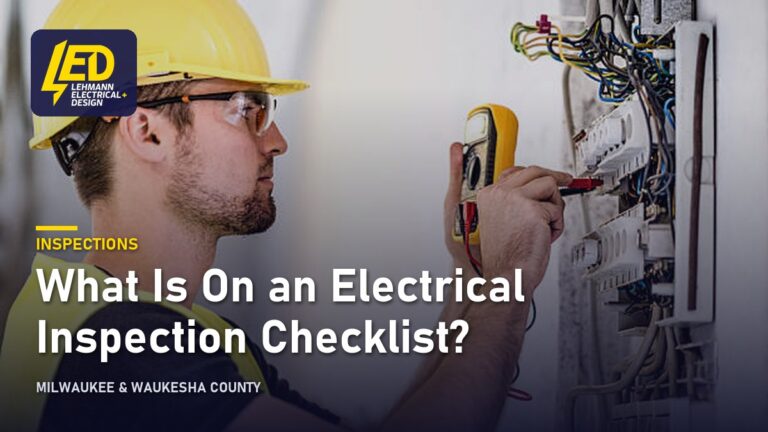
An electrical inspection checklist covers the service entrance and meter, the main panel and its breakers, grounding and bonding, branch circuit wiring, GFCI and AFCI protection, outlets and switches, light fixtures, smoke and carbon monoxide alarms, and any visible splices or junction boxes. A licensed electrician checks each item for correct sizing, secure connections, damage, overheating, and compliance with the electrical code in force in Wisconsin. The result is a written report listing hazards, code deficiencies, and recommended repairs.
What the job actually involves
An electrical inspection is a systematic walk-through of a home’s electrical system by a licensed electrician, who documents condition and safety rather than making repairs on the spot. It is not a quick glance at the breaker box. On a typical single-family home in Milwaukee or Waukesha County, the electrician works from the utility connection inward.
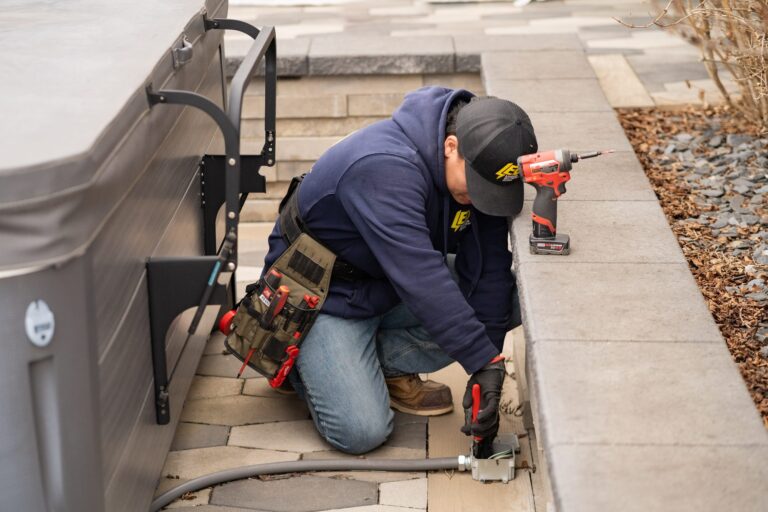
Here is what a thorough residential checklist includes:
Service entrance and meter. The service entrance is the point where utility power physically enters the house: the overhead drop or underground lateral, the weatherhead, the meter socket, and the conductors feeding the main panel. The electrician checks for frayed insulation, loose masts, corrosion, water intrusion at the meter, and adequate clearance over roofs and walkways. Nothing is opened on the line side of the meter. Those conductors stay energized even with the main breaker off, and only the utility (usually by pulling the meter) or a separate service disconnect ahead of the panel can kill them.
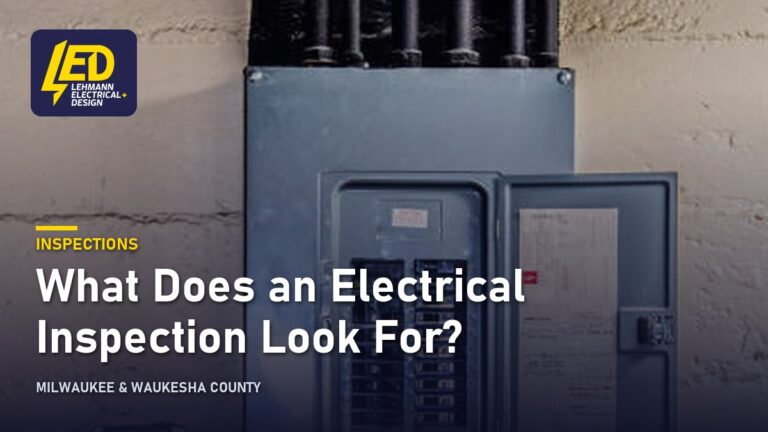
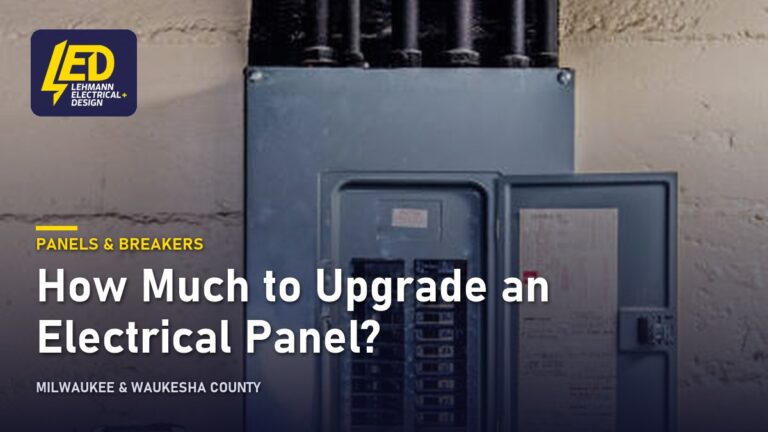
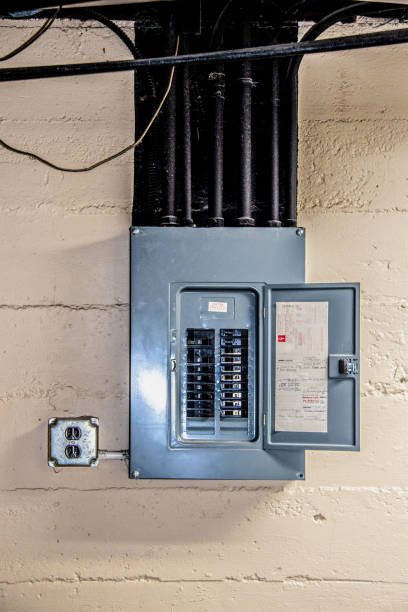
Main panel and breakers. Amperage is the measure of electrical current a circuit or service can carry. The electrician confirms the service amperage, counts available spaces, checks that breaker ratings match the wire gauge they protect, and looks for double-tapped breakers, missing knockout plugs, improper tandem breakers in a panel not listed for them, and signs of heat: discoloration, scorch marks, or a hot-plastic smell. Panels from manufacturers with known failure histories are flagged.
Grounding and bonding. Ground rods, grounding electrode conductors, water pipe bonds, and gas line bonding all get verified. Poor grounding is invisible in daily use and shows up only when something faults.
Branch circuit wiring. Visible wiring in the basement, attic, garage, and crawl spaces is inspected for knob and tube, cloth-insulated conductors, aluminum branch wiring, undersized extensions, open splices outside a box, and cable run across a floor or stapled over the top of a joist where it can be damaged.
Protective devices. GFCI (ground fault circuit interrupter) protection is tested at bathrooms, kitchens, garages, basements, laundry areas, and exterior outlets. A Class A GFCI trips when a small amount of current leaks by any path, including through a person or damp material, so no metal contact is needed for it to do its job. AFCI (arc fault circuit interrupter) protection, which detects the signature of an arcing fault, applies to 120-volt branch circuits serving living areas.
Devices, fixtures, and alarms. Outlets are tested for correct polarity and ground, three-prong receptacles on two-wire circuits are flagged, switches and fixtures are checked for loose mounting and heat damage, and smoke and carbon monoxide alarm placement and age are recorded.
An electrical safety checklist is the homeowner-facing subset of the same list: GFCI test buttons, no extension cords in permanent use, no warm or buzzing devices, no missing covers, working alarms. It does not replace the professional version, because it stops at what is visible without tools.
If anything on your own walk-through smells of burning or hot plastic, shows scorch marks or discoloration, or buzzes or crackles, stop using that circuit or device, leave the breaker off, and call an electrician before continuing.
How to tell if you need it
You need an electrical inspection when the system’s condition is unknown, when it has changed, or when someone is relying on it being sound. The clearest triggers:
- You are buying or selling. A general home inspector flags symptoms; an electrician diagnoses causes. If a purchase is in motion, what a buyer’s electrical inspection looks for is a worthwhile read before you waive anything.
- The house is 40 years or older and has not been inspected since the last owner, or you suspect knob and tube or cloth-wrapped wiring.
- You are adding load such as a workshop, finished basement, hot tub, or heavy kitchen appliance. A load calculation (an arithmetic method for totaling a home’s expected electrical demand) determines whether the existing service can carry it.
- Breakers trip repeatedly. Reset a tripped breaker once at most: push it firmly to OFF, then back to ON. If it trips again, leave it off and have it inspected. A breaker that trips with nothing plugged in usually means a wiring fault, not a worn breaker. Never install a larger breaker to stop tripping. The breaker protects the wire, and the fix for an overloaded circuit is a new circuit.
- A GFCI will not hold. A GFCI resets once too. If it trips right back, there is a real leakage fault or a failed device. A GFCI that keeps tripping is not “working correctly.”
- Lights dim or flicker, outlets are warm or discolored, or you can smell overheated plastic near a panel or device.
- Insurance or a lender has asked for one, which is common with older housing stock.
- After storm damage, a flood, or a fire, before the system is put back in service.
- You own rental or commercial property and want a documented baseline.
Solar arrays have their own inspection scope covering inverters, rapid shutdown, conductor routing, and roof penetrations. If you have an existing array, a dedicated check of a solar installation addresses items a general home inspection will not.
What decides the price
Price is driven by scope and access more than by square footage alone. Lehmann Electrical & Design quotes each inspection after hearing what the house is and why the inspection is needed, so the estimate reflects the actual work rather than an average.
The variables that move the number:
| Factor | Pushes the price down | Pushes the price up |
|---|---|---|
| Scope | Single panel, limited visual check | Whole-house, every device tested |
| Home size and circuits | Small home, 20 to 25 circuits | Large home, multiple panels or subpanels |
| Age of wiring | Modern NM cable throughout | Knob and tube, cloth, or aluminum branch wiring |
| Access | Open basement, accessible attic | Finished basement, tight crawl space, blocked panel |
| Reporting | Verbal findings and a short list | Written report with photos for a lender or insurer |
| Occupancy | Vacant home, flexible timing | Occupied, scheduling around a household |
| Add-ons | Inspection only | Thermal scan, dedicated load calculation |
Costs are also quoted differently depending on whether you want an inspection alone or an inspection plus a repair proposal. Most homeowners asking “how much is an electrical inspection” are really asking two questions: the inspection fee, and what the repairs will cost afterward. The second number cannot be estimated until the first is done, which is exactly why the inspection exists.
For a scoped figure on your home, the fastest route is to request a quote for an inspection with the home’s age and square footage, or call 414-207-0109.
How long it takes and what is disrupted
A residential electrical inspection usually takes one to three hours, with most average-size homes landing in the two-hour range. A compact condo with one panel can be done faster. A large or older home with subpanels, a detached garage, and decades of modifications can run half a day.
Disruption is modest. The electrician needs clear access to the panel, so anything stacked in front of it should be moved beforehand. Expect short power interruptions while the panel cover is removed and while individual circuits are tested, typically a few minutes at a time rather than an all-day outage. GFCI testing will cut power briefly to bathrooms, kitchen counters, and exterior outlets. If you work from home, save your files and plan around one or two brief drops.
What you get at the end: a written report that separates immediate safety hazards from code deficiencies from recommended improvements. That three-way split matters. A hazard needs attention now. A code deficiency may be a legacy condition that was legal when installed. A recommendation is an upgrade you can schedule when it suits you. A report that lumps all three together is not much use to a homeowner trying to decide what to spend money on.
Inspection coming up on a sale or a permit?
A licensed electrician walks the same checklist first, so what the inspector finds is not the first you hear of it.
Licensed master electrician. 12-month workmanship warranty.
Permits and inspection
An inspection by itself does not require a permit, because nothing is being installed or altered. Permits attach to work, not to looking.
Once repairs are identified, permitting applies. Permits are issued by the local municipality, so a Milwaukee job is permitted and inspected by Milwaukee, a Wauwatosa job by Wauwatosa, a Waukesha job by Waukesha, and so on across Waukesha County. Each of those municipalities enforces Wisconsin SPS 316, the state’s electrical code, which adopts the 2023 NEC and has been in effect since September 1, 2026. Work permitted before that date was done under the 2017 NEC, which Wisconsin used previously.
That timing explains a question homeowners ask often: does an old installation have to be brought up to the current edition? Generally no. Existing installations are not required to be upgraded to the newly adopted edition unless they are altered. If you open a circuit up and modify it, the altered work follows the current code. Leave it alone and it stays legal as installed, though “legal” and “safe” are not always the same thing, which is why a report distinguishes between the two.
Municipal electrical inspections of permitted work are separate from the diagnostic inspection described in this article. On a permitted job there are typically one or two municipal inspections: a rough-in inspection before walls are closed, and a final inspection when the work is complete. Simple single-circuit work often needs only a final.
Choosing an electrician
Choose someone who inspects for a living and quotes the repairs separately, so the findings are not a sales list. Ask these questions before booking:
- Who performs the inspection, and are they licensed? Wisconsin licenses electricians at the state level through DSPS. Ask what license the person on site holds.
- Do I get a written report? Verbal-only findings are worth less to a lender, an insurer, or a buyer.
- Is the inspection fee separate from repair work? It should be, so you can take the report elsewhere if you want.
- What is covered and what is not? Confirm whether subpanels, detached structures, and exterior circuits are in scope.
- Will you confirm which code edition applied when the home was wired? This distinguishes a legacy condition from a genuine defect.
Lehmann Electrical & Design is led by master electrician Jacob Lehmann, operates out of Wauwatosa, and serves Milwaukee and Waukesha County. The company holds an A+ rating with the BBB and 4.9 stars on Google, and backs its work with a 12-month workmanship warranty. Residential electrical inspections sit alongside repair, troubleshooting, knob and tube replacement, and new circuit work, so findings can be addressed by the same team if you choose.
To book an inspection, request an estimate or call 414-207-0109. Tell us the home’s age, its approximate size, and what prompted the call, and you will get a scoped price rather than a guess.
Why homeowners call Lehmann Electrical & Design
- Led by licensed master electrician Jacob Lehmann
- A+ rating with the BBB and 4.9 stars on Google
- 12-month workmanship warranty on the work we do
- Permits pulled and inspections scheduled as part of the job
- Milwaukee, Wauwatosa and Waukesha County, from 12012 W Fairview Ave, Wauwatosa
Want the house checked before the inspector sees it?
Tell us the age of the house, whether this is for a sale or a permit, and what has already been flagged.
Licensed master electrician. 12-month workmanship warranty.
Frequently asked questions
▾What do they check on an electrical inspection?
The service entrance and meter, main panel and breaker sizing, grounding and bonding, visible branch circuit wiring, GFCI and AFCI protection, outlets and switches for polarity and grounding, light fixtures, junction boxes and splices, and smoke and carbon monoxide alarms. The electrician also looks for signs of overheating such as discoloration, scorch marks, or a hot-plastic smell, and for obsolete wiring methods like knob and tube or aluminum branch circuits.
▾How long does an electrical inspection take?
Most residential electrical inspections take one to three hours. A small condo with a single panel can be finished in under an hour. A large or older home with subpanels, a detached garage, and years of additions can take a half day. Access is the biggest variable: a clear path to the panel, attic, and crawl space keeps the visit short.
▾How many electrical inspections are there?
Two different things share the name. A diagnostic or condition inspection is the one a homeowner books, and it happens once per visit. Municipal inspections of permitted work are separate, and a typical permitted job gets one or two: a rough-in inspection before walls close, and a final inspection at completion. Small single-circuit jobs often need only the final.
▾How long are electrical inspections good for?
A report describes the system on the day it was written, so there is no formal expiration. Lenders, insurers, and buyers generally want one no more than six to twelve months old. The report stops reflecting reality as soon as work is done, load is added, or damage occurs, so any significant change calls for a fresh look rather than a dated document.
▾How long between electrical inspections?
For an owner-occupied home with no symptoms, every three to five years is a reasonable interval, and sooner for homes over 40 years old or with known legacy wiring. Rentals benefit from inspection between tenancies. Outside that schedule, inspect whenever you add substantial load, buy or sell, suffer storm or water damage, or notice tripping breakers, flickering lights, or warm outlets.
▾How do electrical inspections work?
You book a visit and describe the home and the reason for it. A licensed electrician arrives, needs access to the panel and any subpanels, and works outward from the service entrance through the wiring and devices. Power to individual circuits drops briefly during testing. Afterward you receive a written report sorting findings into immediate hazards, code deficiencies, and recommended improvements, with repairs quoted separately.
Next step
Get the house checked
Tell us whether this is for a sale or a permit.
Licensed master electrician12-month warranty4.9 on Google
Milwaukee, Wauwatosa and Waukesha County. Prefer to talk? Call 414-207-0109