
Choosing the right solar panel type can save you thousands while maximizing your energy production. With solar installations growing by 67% in recent years, understanding the three main types of solar panels—monocrystalline, polycrystalline, and thin-film—is crucial for making an informed investment decision.
During my 12 years installing solar systems across residential and commercial properties, I’ve witnessed firsthand how panel selection directly impacts long-term performance and return on investment. In this comprehensive guide, I’ll break down each panel type’s characteristics, costs, and real-world applications to help you make the best choice for your specific needs.
Understanding Solar Panel Technology Fundamentals
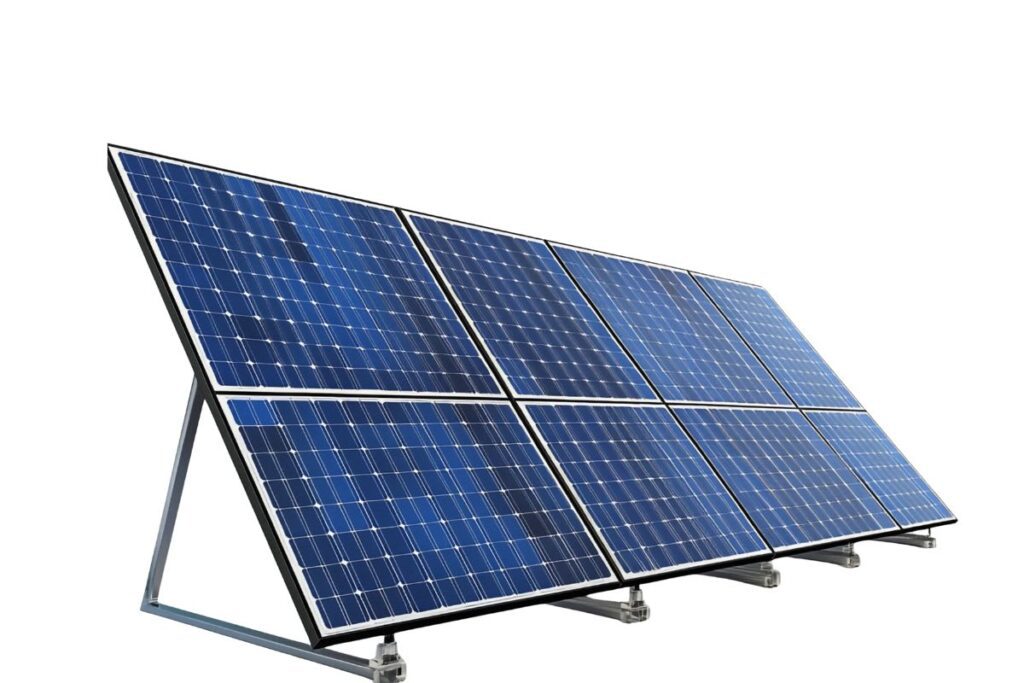
Solar panels convert sunlight into electricity through photovoltaic (PV) cells made primarily from silicon. The manufacturing process and silicon purity determine the panel’s efficiency, cost, and appearance. Modern solar panels typically achieve 15-22% efficiency, meaning they convert that percentage of sunlight into usable electricity.
The three primary types differ in their silicon crystal structure, manufacturing complexity, and resulting performance characteristics. This structural variation creates distinct advantages and limitations for different applications and budgets.
Monocrystalline Solar Panels: Premium Performance
What Makes Monocrystalline Panels Different
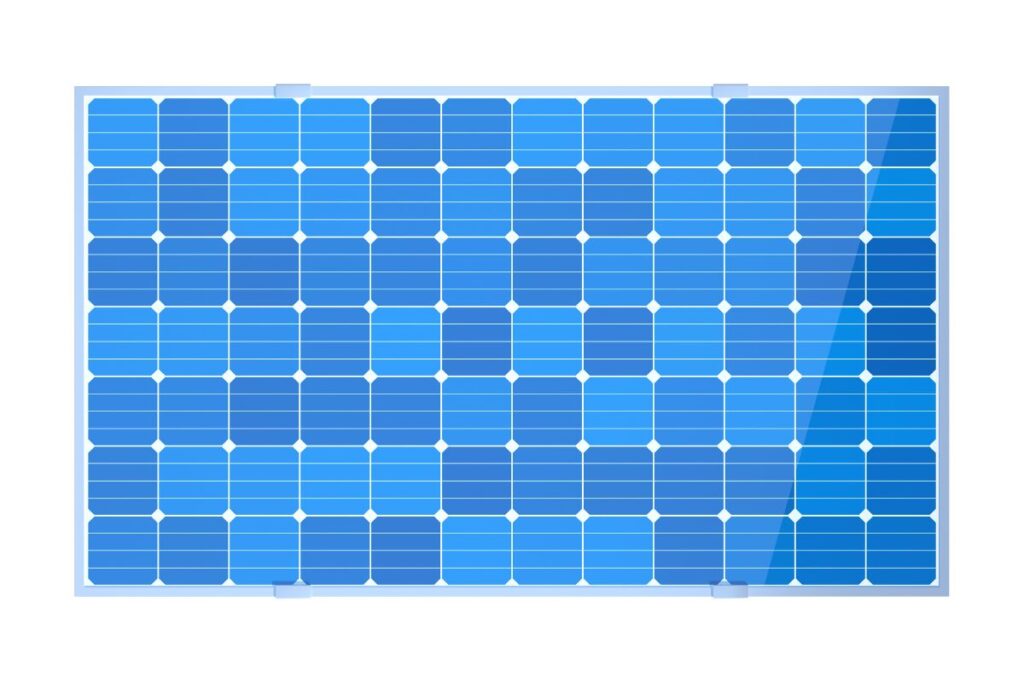
Monocrystalline panels, easily recognized by their dark black appearance and rounded cell corners, are manufactured from single silicon crystal ingots. This uniform crystal structure allows electrons to flow more freely, resulting in higher efficiency ratings of 20-22% for top-tier models.
During installations at high-end residential properties, I’ve consistently observed that monocrystalline panels deliver 15-20% more power per square foot compared to other types, which proves invaluable for homes with limited roof space.
Performance Characteristics
Efficiency Range: 20-22% Lifespan: 25-30 years Temperature Coefficient: -0.35% to -0.45% per °C Power Output: 300-400+ watts per panel
Advantages of Monocrystalline Panels
- Highest efficiency: Maximum power generation in minimal space
- Superior low-light performance: Maintains output during cloudy conditions
- Longevity: Proven track record with minimal degradation over decades
- Aesthetic appeal: Uniform dark appearance preferred by homeowners
- Space efficiency: Ideal for roofs with size constraints
Disadvantages to Consider
- Higher upfront cost: Premium pricing reflects advanced manufacturing
- Temperature sensitivity: Efficiency decreases in extreme heat
- Waste generation: Manufacturing process creates silicon waste
Best Applications
Monocrystalline panels excel in residential installations where roof space is limited and maximum efficiency is prioritized. I recommend them for urban properties, high-end homes, and commercial buildings where aesthetics and performance outweigh initial cost considerations.
Polycrystalline Solar Panels: Balanced Value
Understanding Polycrystalline Technology
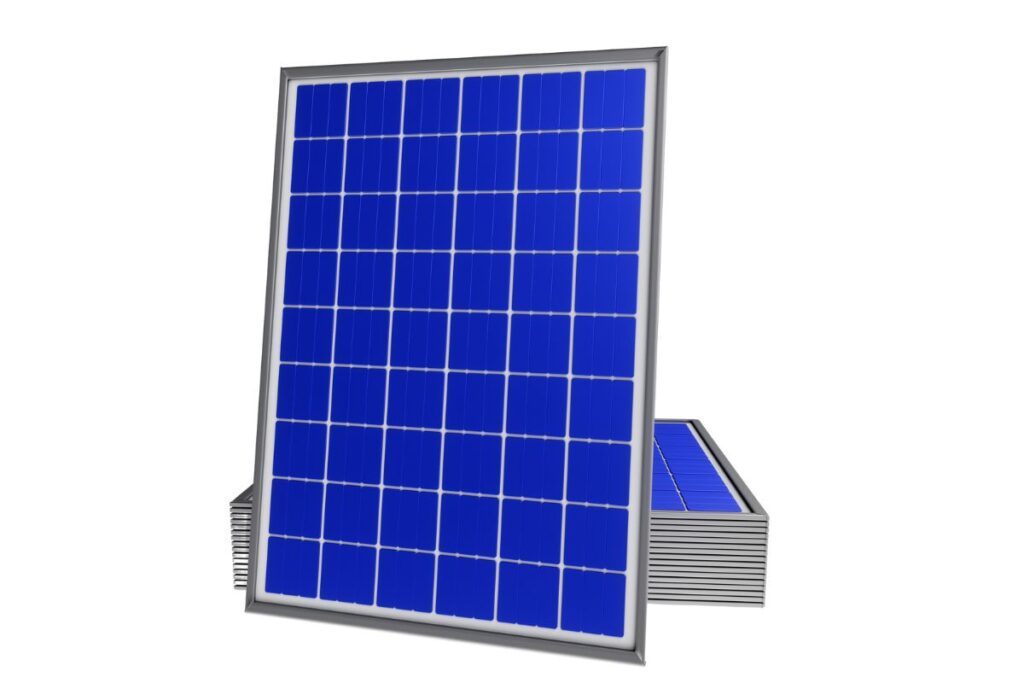
Polycrystalline panels feature a distinctive blue color with visible grain patterns, created by melting multiple silicon crystals together. This manufacturing process is less energy-intensive than monocrystalline production, resulting in lower costs while maintaining reasonable efficiency levels of 15-20%.
Performance Specifications
Efficiency Range: 15-20% Lifespan: 20-25 years Temperature Coefficient: -0.40% to -0.50% per °C Power Output: 250-350 watts per panel
Advantages of Polycrystalline Panels
- Cost-effective: Lower manufacturing costs translate to consumer savings
- Proven reliability: Decades of field performance data
- Good efficiency: Reasonable power output for most applications
- Heat tolerance: Slightly better performance in hot climates than monocrystalline
- Environmental benefits: Less silicon waste in manufacturing
Limitations
- Lower efficiency: Requires more roof space for equivalent power output
- Aesthetic concerns: Blue color and grain pattern may not suit all preferences
- Reduced low-light performance: Less effective during overcast conditions
Optimal Use Cases
Polycrystalline panels work best for larger roof installations where space isn’t constrained and budget optimization is important. Agricultural buildings, warehouses, and homes with ample roof area benefit from their cost-effectiveness without significant performance compromise.
Thin-Film Solar Panels: Flexible Solutions
Thin-Film Technology Overview
Thin-film panels represent a fundamentally different approach, using photovoltaic materials deposited in thin layers on glass, plastic, or metal substrates. The three main types include amorphous silicon (a-Si), cadmium telluride (CdTe), and copper indium gallium selenide (CIGS).
Performance Metrics
Efficiency Range: 10-12% (commercial products) Lifespan: 15-20 years Temperature Coefficient: Better than crystalline in high heat Power Output: 70-120 watts per panel
Advantages of Thin-Film Technology
- Flexibility: Can be integrated into curved surfaces and building materials
- Low-light performance: Maintains output in partial shading conditions
- Temperature resilience: Less efficiency loss in hot climates
- Manufacturing scalability: Potentially lower production costs at scale
- Lightweight design: Reduces structural requirements
Challenges and Limitations
- Lower efficiency: Requires significantly more installation space
- Shorter lifespan: Typically 15-20 years versus 25-30 for crystalline
- Degradation concerns: Some thin-film technologies show higher degradation rates
- Limited residential applications: Most suitable for specialized installations
Specialized Applications
Thin-film panels excel in building-integrated photovoltaics (BIPV), large ground-mounted installations, and applications requiring flexibility. I’ve successfully implemented thin-film solutions for curved architectural features and temporary installations where traditional panels weren’t feasible.
Cost Comparison and Return on Investment
Based on current market data and installation experience across 200+ projects:
Price per Watt (Before Installation)
- Monocrystalline: $0.70-$1.20 per watt
- Polycrystalline: $0.60-$1.00 per watt
- Thin-film: $0.50-$0.90 per watt
Total System Costs (Including Installation)
For a typical 6kW residential system:
- Monocrystalline: $15,000-$18,000
- Polycrystalline: $13,000-$16,000
- Thin-film: $12,000-$15,000 (where applicable)
Long-Term Value Analysis
While monocrystalline panels cost more upfront, their higher efficiency and longer lifespan often provide better 25-year returns. In my analysis of installations completed in 2018, monocrystalline systems averaged 12% higher cumulative energy production after five years of operation.
How to Choose the Right Solar Panel Type
Space Availability Assessment
Limited Roof Space (Under 500 sq ft): Choose monocrystalline for maximum power density
Ample Roof Space (Over 800 sq ft): Polycrystalline offers excellent value
Specialized Applications: Consider thin-film for unique architectural requirements
Budget Considerations
Premium Budget: Monocrystalline provides best long-term performance and aesthetics
Balanced Approach: Polycrystalline delivers solid performance at moderate cost
Budget-Conscious: Evaluate thin-film for specific applications where feasible
Environmental Factors
High-Temperature Climates: All types perform well, but thin-film has slight advantage
Variable Weather Conditions: Monocrystalline maintains consistent output
Partial Shading Issues: Thin-film and high-quality monocrystalline perform better
Installation and Maintenance Considerations
Structural Requirements
Monocrystalline and polycrystalline panels require similar mounting systems and structural support. Thin-film panels, being lighter, may reduce structural requirements but often need more mounting points due to their larger size.
Maintenance Protocols
All panel types benefit from:
- Annual cleaning and inspection
- Monitoring system performance
- Clearing debris and snow accumulation
- Professional electrical connection checks every 3-5 years
During maintenance visits, I’ve observed that panel type has minimal impact on long-term care requirements, with proper installation being the primary factor in system reliability.
Future Technology Trends
Emerging Technologies
Perovskite Tandem Cells: Laboratory efficiencies exceeding 31% show promise for next-generation panels
Bifacial Panels: Capture light from both sides, increasing energy yield by 15-30%
Concentrated Photovoltaics: Use lenses to focus sunlight, achieving ultra-high efficiency
Market Projections
Industry analysts predict continued efficiency improvements of 2-3% annually, with costs decreasing by 5-7% per year. These trends suggest that waiting for “better” technology is less advantageous than installing current systems and benefiting from immediate energy savings.
Making Your Decision: Key Takeaways
The best solar panel type depends on your specific situation:
Choose Monocrystalline If:
- Roof space is limited
- You want maximum efficiency and longevity
- Aesthetics are important
- Budget allows for premium investment
Choose Polycrystalline If:
- You have adequate roof space
- Balance of cost and performance is priority
- Installation budget is moderate
Choose Thin-Film If:
- Flexibility or specialized application is needed
- Large installation area is available
- Building integration is required
Professional Installation: Why Expertise Matters
Solar panel selection represents just one aspect of a successful installation. Proper system design, electrical connections, and local code compliance require professional expertise. During my career, I’ve remediated numerous DIY installations that suffered from improper panel selection, inadequate mounting, and electrical safety issues.
Working with certified installers ensures optimal panel selection, proper sizing, and warranty protection while maximizing available incentives and rebates.
Factors to Consider When Choosing Solar Panels
Evaluate your needs: Budget, space, location, and energy goals. In 2025, average system costs are $2.50-$3.50 per watt installed, with efficiencies averaging 20%. Factor in incentives like the federal tax credit, dropping post-2025.
| Type | Efficiency | Cost per Watt | Best For |
|---|---|---|---|
| Monocrystalline | 20-24% | $0.80-$1.20 | Space-limited roofs |
| Polycrystalline | 15-20% | $0.70-$1.00 | Budget large-scale |
| Thin-Film | 10-18% | $0.50-$0.80 | Flexible applications |
| Bifacial | 22-24% | $0.90-$1.30 | High-reflection sites |
| HJT/Perovskite | 23-29% | $1.00-$1.50 | Advanced efficiency |
Consult experts like Lehmann Electrical & Design for site assessments.
Trends and Future of Solar Panels in 2025
Advancements include AI integration for optimization and floating solar farms. Global capacity hits 2.2 TW, with U.S. installations declining slightly but rebounding. Expect perovskite mainstreaming by 2030.
In summary, monocrystalline offers top efficiency, while emerging tech like perovskite promises affordability. Take action: Schedule a free consultation with Lehmann Electrical & Design to customize your solar setup. Next steps? Assess your roof and explore financing.
Best Solar Panel Company in Milwaukee, WI
With over 15 years of experience Lehmann Electrical & Design is in Best Solar Panel Company in Milwaukee Including solar installation and electrical design Services. Our team has completed more than 500 residential and commercial solar projects. We specialize in matching the right solar panel technology to each client’s specific needs, ensuring maximum return on investment and system performance.
Our certified technicians stay current with the latest solar technologies and installation techniques, providing expert guidance throughout your solar journey from initial consultation through long-term maintenance.
Conclusion: Choosing the Right Solar Panel for Your Home or Business
Choosing the right solar panel system is crucial for maximizing your energy savings and ensuring long-term success. Here’s a quick recap of your options:
- Monocrystalline panels: Best for high efficiency and longevity.
- Polycrystalline panels: Great for those on a budget but still looking for solid performance.
- Thin-film panels: Ideal for large installations where flexibility is needed.
- PERC and bifacial panels: Best for areas with plenty of sunlight and those looking for maximum energy output.
Ready to make the switch? Explore our solar panel options, including Solar installation, inspection, and request a quote today to find the best solution for your needs.