
Power outages in Wisconsin aren’t just an inconvenience, they’re a reality. From severe winter storms to summer thunderstorms, grid reliability continues to decline across the state. According to the Energy Information Administration, the average U.S. electricity customer experienced 5.5 hours of electricity interruptions in 2022, but Wisconsin residents often face longer outages due to our harsh weather conditions.
The solution? Solar battery backup systems that keep your home powered when the grid fails. But here’s what most homeowners don’t realize: simply having solar panels doesn’t guarantee power during outages. Without proper battery backup integration, your solar system automatically shuts down when the grid goes down—for safety reasons.
This comprehensive guide covers everything Wisconsin homeowners need to know about solar battery backup systems, from how they work to installation considerations specific to our climate and utility landscape.
What is Solar Battery Backup and Why It Matters in Wisconsin
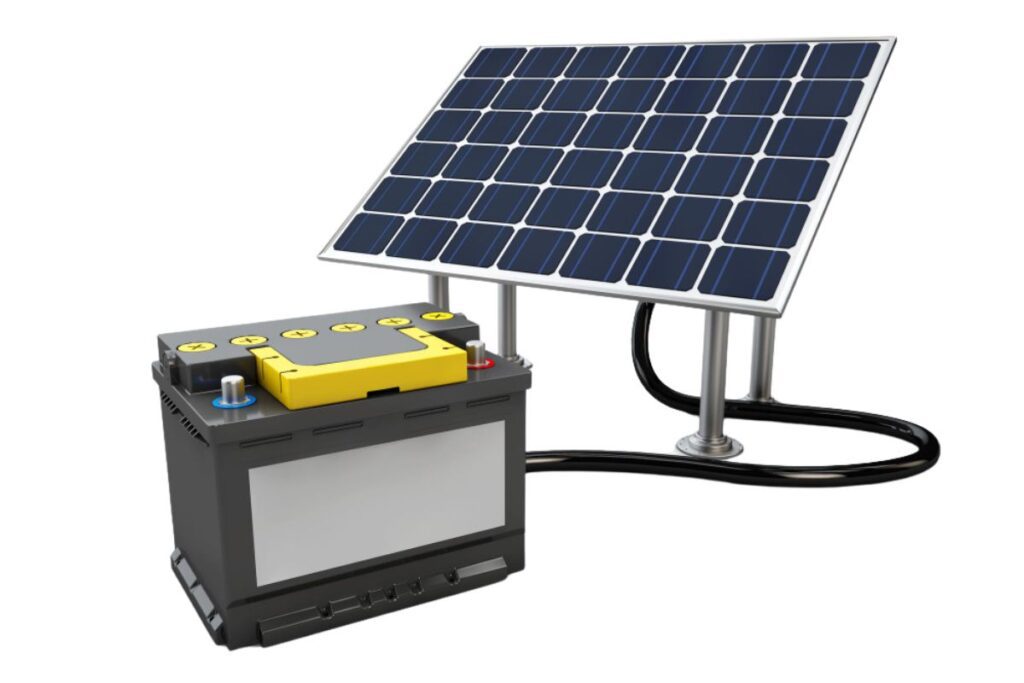
Solar battery backup is an energy storage system that stores excess electricity generated by your solar panels for later use. When the grid fails, these batteries automatically kick in to power your home’s essential systems—no generator noise, no fuel costs, no emissions.
Why Wisconsin Homeowners Need Battery Backup
Climate Challenges:
- Extended winter storms that can knock out power for days
- Ice storms that damage power lines
- Summer severe weather with high winds and hail
- Increasing grid instability due to aging infrastructure
Economic Benefits:
- Median battery cost on EnergySage is $999/kWh of stored energy, but incentives can dramatically lower the price
- 30% federal tax credit available through December 31, 2025
- Wisconsin Focus on Energy incentives for energy storage systems
- Protection against rising electricity rates
Energy Security:
- Keep critical systems running: furnace, sump pump, refrigerator, medical equipment
- Maintain connectivity with Wi-Fi and cell phone charging
- Avoid costly spoiled food and potential water damage
- Peace of mind during severe weather events
How Solar Battery Backup Systems Work
Understanding the mechanics helps you make better decisions about system sizing and configuration.
The Basic Process
- Energy Generation: Solar panels convert sunlight into DC electricity
- Power Conversion: Inverters convert DC to AC power for home use
- Energy Storage: Excess electricity charges your battery system
- Automatic Switching: When the grid fails, the system instantly switches to battery power
- Load Management: Smart inverters prioritize critical loads to extend backup duration
- Recharging: Batteries recharge from solar panels during daylight hours
Key Components Explained
Battery Types:
- Lithium-ion: Most popular, 10-15 year lifespan, high efficiency (90-95%)
- Lithium Iron Phosphate (LiFePO4): Safest chemistry, excellent for Wisconsin’s temperature extremes
- Lead-acid: Lower cost but shorter lifespan, less suitable for daily cycling
Inverter Options:
- Hybrid Inverters: Single unit handles solar conversion and battery management
- Battery-Ready Inverters: Designed for easy battery integration
- AC-Coupled Systems: Separate battery inverter, easier retrofits
Monitoring Systems:
- Real-time energy production and consumption tracking
- Battery state of charge indicators
- Grid status monitoring
- Remote system management via smartphone apps
Top Solar Battery Options for Wisconsin Homes
Based on performance in cold climates, reliability, and installer feedback, here are the best options for Wisconsin homeowners:
Tesla Powerwall 3
Specifications:
- 13.5 kWh usable capacity
- 11.5 kW continuous power output
- Integrated solar inverter functionality
- -4°F to 122°F operating temperature range
Wisconsin Advantages:
- Built-in cold weather protection
- Excellent mobile app for monitoring
- Strong local installer network
- Proven performance in harsh climates
Investment: $11,500-$14,000 installed (before incentives)
Enphase IQ Battery 5P
Specifications:
- 5.0 kWh usable capacity per unit
- Modular design allows easy expansion
- AC-coupled for easy retrofits
- -4°F to 140°F operating range
Wisconsin Advantages:
- Excellent for existing solar system retrofits
- Modular system grows with your needs
- Superior cold weather performance
- 15-year warranty coverage
Investment: $7,000-$9,000 per unit installed (before incentives)
Generac PWRcell
Specifications:
- Scalable from 9 kWh to 36 kWh capacity
- American-made product with local support
- Integrated smart management system
- -10°F to 122°F operating temperature
Wisconsin Advantages:
- Designed for harsh American climates
- Excellent customer support network
- Generator integration capability
- Strong warranty coverage
Investment: $12,000-$18,000 installed (before incentives)
LG Chem RESU Prime
Specifications:
- Available in 9.6 kWh and 16 kWh configurations
- DC-coupled system for higher efficiency
- Compact design for limited space installations
- -10°F to 113°F operating range
Wisconsin Advantages:
- Proven reliability in cold climates
- High efficiency reduces system size requirements
- Excellent warranty terms
- Compatible with most inverter brands
Investment: $8,000-$12,000 installed (before incentives)
System Sizing: How Much Battery Backup Do You Need?
Proper sizing is critical for both performance and cost-effectiveness. Here’s how to calculate your needs:
Essential Load Analysis
Critical Systems (Must-Have Power):
- Furnace blower: 600-800 watts
- Refrigerator: 150-400 watts
- Sump pump: 800-1,200 watts
- Well pump: 500-1,500 watts
- Lighting (LED): 50-200 watts
- Wi-Fi/communications: 50-100 watts
Daily Energy Consumption Examples:
- Minimal backup (24 hours): 8-12 kWh
- Essential systems (48 hours): 15-25 kWh
- Comfortable backup (72+ hours): 25-40 kWh
Wisconsin-Specific Considerations
Winter Heating Backup:
- Gas furnace with electric blower: Plan for 24-hour runtime capability
- Heat pump systems: Require significantly more battery capacity
- Electric resistance heating: Generally not feasible with battery backup
Sump Pump Protection:
- Wisconsin’s spring thaw creates critical pumping needs
- Size battery to handle 48-72 hours of intermittent pump operation
- Consider backup sump pump systems with battery integration
Well Water Systems:
- Private well pumps common in rural Wisconsin
- Size for water storage tank refill capability
- Plan for multiple pump cycles per day
Sample System Configurations
Small Home/Condo (Essential Backup):
- 1 Tesla Powerwall or 2 Enphase IQ5P units
- Covers: Furnace, refrigerator, lighting, communications
- Duration: 24-48 hours depending on usage
- Investment: $12,000-$18,000 installed
Average Home (Comfortable Backup):
- 2 Tesla Powerwalls or 3-4 Enphase IQ5P units
- Covers: All essential loads plus some convenience items
- Duration: 48-72 hours with solar recharging
- Investment: $20,000-$32,000 installed
Large Home/Rural Property (Extended Backup):
- 3+ Tesla Powerwalls or 5+ Enphase units
- Covers: Most home systems including well pump
- Duration: 72+ hours with solar recharging
- Investment: $35,000-$55,000 installed
Maintenance and Longevity in Wisconsin’s Climate
Routine Maintenance Requirements
Monthly Tasks:
- Visual inspection for physical damage or corrosion
- Monitoring system performance via smartphone app
- Checking battery state of charge and cycling patterns
- Ensuring adequate ventilation around equipment
Seasonal Tasks:
- Spring: Post-winter inspection for ice or snow damage
- Summer: Verify cooling system operation during heat waves
- Fall: Prepare system for winter operation, clear debris
- Winter: Monitor performance in cold temperatures
Annual Professional Service:
- Electrical connection inspection and tightening
- Battery performance testing and calibration
- Software updates and system optimization
- Warranty compliance verification
Cold Weather Considerations
Temperature Management:
- Most batteries perform optimally between 60-80°F
- Cold weather reduces capacity and efficiency
- Heated enclosures may be necessary for extreme climates
- Battery placement in conditioned spaces when possible
Winter Performance Expectations:
- 10-20% capacity reduction in sub-zero temperatures
- Slower charging rates during cold weather
- Potential for increased self-discharge rates
- Recovery to full performance with warming
Lifespan and Replacement Planning
Battery Lifecycle:
- Lithium-ion batteries: 10-15 years typical lifespan
- Performance degradation: 1-3% annually
- Warranty coverage: 10 years/10,000 cycles typical
- End-of-life recycling programs available
System Monitoring:
- Track capacity degradation over time
- Monitor cycling frequency and depth of discharge
- Document performance changes with age
- Plan for eventual replacement costs
Safety Considerations and Code Compliance
Wisconsin Electrical Code Requirements
NEC 2020 Adoption:
- Wisconsin follows National Electrical Code with amendments
- Rapid shutdown requirements for solar systems
- Arc fault circuit interrupter (AFCI) requirements
- Ground fault circuit interrupter (GFCI) protection
Battery-Specific Requirements:
- Ventilation requirements for battery enclosures
- Fire separation distances from combustible materials
- Emergency disconnect accessibility
- Warning label and signage requirements
Fire Safety Considerations
Batteries should now be installed in well-ventilated, fire-safe areas such as garages, utility rooms, or purpose-built outdoor units. Avoid placing them in bedrooms, stairwells, or small cupboards.
Installation Location Guidelines:
- Minimum clearances from combustible materials
- Adequate ventilation for thermal management
- Accessibility for maintenance and emergency response
- Protection from physical damage and moisture
Fire Suppression Integration:
- Consider fire suppression systems for large installations
- Smoke detection in battery rooms
- Emergency shutdown procedures
- Coordination with local fire department
Wisconsin Success Stories: Real Customer Experiences
Rural Farmhouse – Extended Outage Protection
Challenge: Remote location with frequent 8-12 hour outages Solution: 30 kWh Tesla Powerwall system with critical load panel Results:
- Zero outage disruption over 2 years
- Well pump and livestock systems protected
- $2,800 annual savings from time-of-use optimization
Suburban Family – Medical Equipment Backup
Challenge: Spouse requires CPAP machine and oxygen concentrator Solution: 20 kWh Enphase system with medical equipment priority Results:
- 100% uptime for critical medical equipment
- Reduced anxiety about power outages
- 8-year payback through combined savings and protection value
Urban Professional – Home Office Continuity
Challenge: Work-from-home requirements during frequent outages Solution: 15 kWh LG Chem system with office circuit priority Results:
- Uninterrupted work capability during 6 major outages
- Avoided lost income from power disruptions
- 6.5-year payback with utility incentive programs
Frequently Asked Questions
How long will my battery backup last during an outage?
Duration depends on battery capacity and your power consumption. A typical 13.5 kWh system can power essential loads (furnace, refrigerator, lights, WiFi) for 24-48 hours. With solar recharging during daylight, the system can maintain power indefinitely during most outages.
Can I run my whole house on battery backup?
While possible, whole-house backup requires significant battery capacity (30+ kWh) and higher upfront investment. Most homeowners choose essential load backup covering critical systems for better cost-effectiveness.
Can I add batteries to my existing solar system?
Yes, batteries can be added to most existing solar systems through AC-coupled or DC-coupled configurations. AC-coupled systems are typically easier to install and require minimal modifications to existing equipment.
How long does installation take?
Most residential battery installations take 1-2 days, depending on system complexity and electrical upgrades required. Permitting and utility approval add 2-6 weeks to the overall timeline.
What maintenance do batteries require?
Lithium-ion batteries require minimal maintenance. Monthly system monitoring and annual professional inspections are recommended. Most systems include remote monitoring capabilities for automatic performance tracking.
Will batteries increase my home’s value?
Studies show solar-plus-storage systems can increase home values by 3-4%. Battery systems also make homes more attractive to buyers, particularly in areas with frequent outages.
Taking the Next Step: Your Path to Energy Independence
Wisconsin’s increasing extreme weather events and aging electrical grid make solar battery backup systems more valuable than ever. With the 30% federal tax credit expiring December 31, 2025, now is the optimal time to invest in energy security for your home.
Your Next Steps:
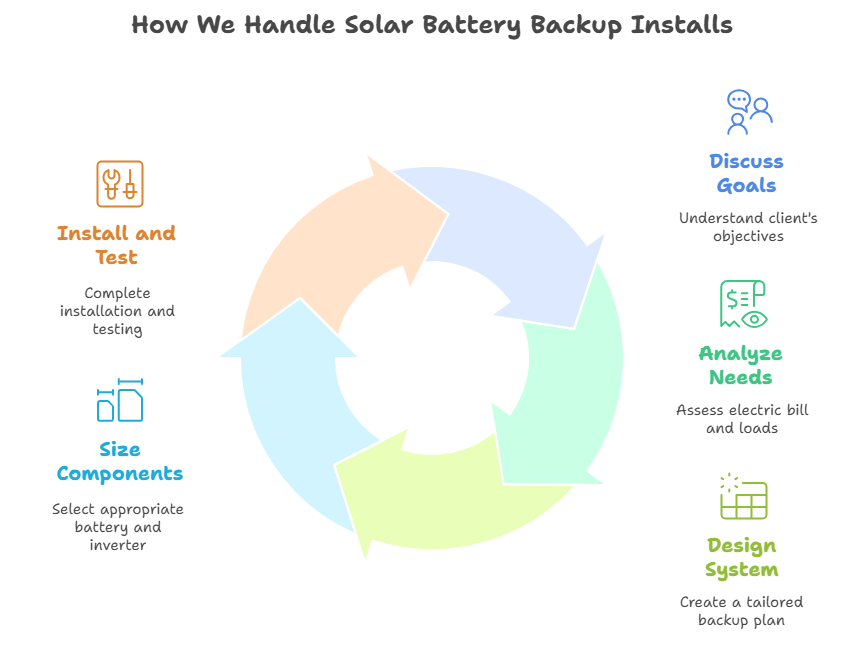
- Assess Your Needs: Calculate your essential load requirements and backup duration goals
- Get Professional Evaluation: Schedule site assessments from qualified local installers
- Compare Options: Evaluate system sizes, battery technologies, and financing alternatives
- Secure Incentives: Apply for available federal, state, and utility programs
- Plan Installation: Work with your installer to schedule installation before year-end tax credit deadline
Why Choose Lehmann Electrical for Your Solar Battery Backup
At Lehmann Electrical & Design, we bring over 15 years of Wisconsin electrical expertise to every battery installation. Our NABCEP-certified team understands the unique challenges of Wisconsin’s climate and utility landscape.
Our comprehensive approach includes:
- Detailed load analysis and system sizing
- Professional installation with 15-year workmanship warranty
- Local permitting expertise across Milwaukee County
- Ongoing monitoring and maintenance support
- Integration with existing solar systems or new installations
Ready to protect your home with reliable battery backup? Contact us today for a personalized consultation and discover how solar battery backup can provide energy security, cost savings, and peace of mind for your Wisconsin home.