
Thinking about solar panels but overwhelmed by conflicting price information online? You’re not alone. After installing hundreds of residential solar systems, we’ve seen homeowners get quotes ranging from $15,000 to $50,000 for similar-sized homes and the difference often comes down to understanding what you’re actually paying for.
This guide breaks down real solar panel costs based on our experience with recent installations, explains the factors that drive pricing up or down, and shows you how to calculate whether solar makes financial sense for your specific situation.
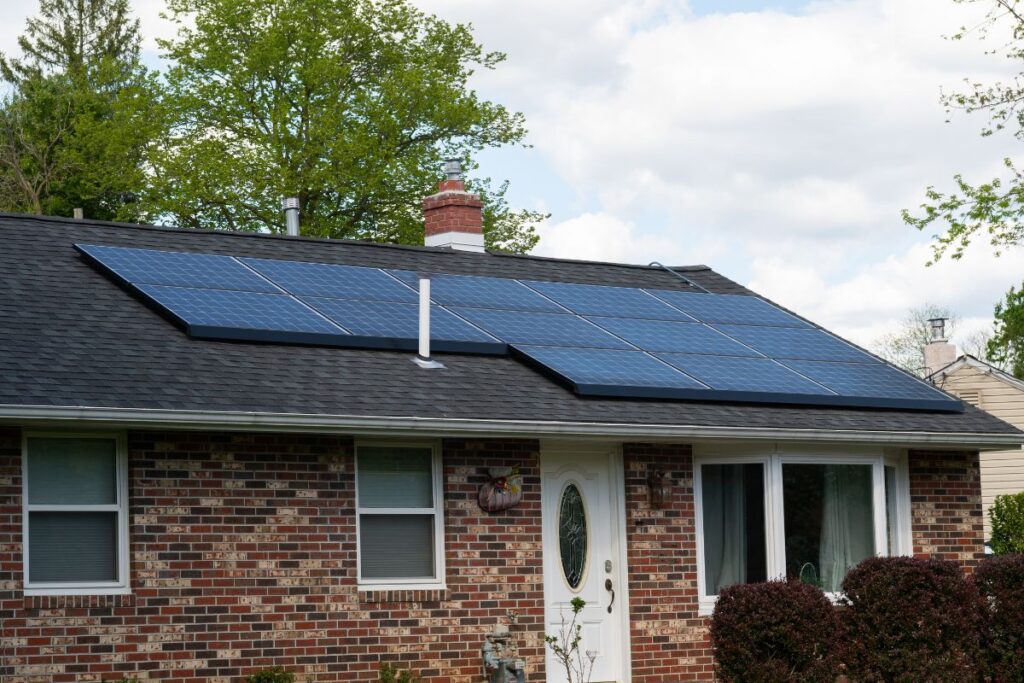
Average Solar Panel System Costs by Size
Solar panel costs are typically quoted per watt, with most residential systems ranging from $2.50 to $4.00 per watt before incentives. Here’s what that translates to for different system sizes:
Small Systems (3-4 kW): $9,000-$16,000
Perfect for smaller homes with low energy usage (under 500 kWh monthly). These systems typically include 10-13 panels and can offset 30-50% of your electricity bill. We’ve installed these systems for townhomes and energy-efficient homes where roof space is limited.
After 30% federal tax credit: $6,300-$11,200
Medium Systems (6-8 kW): $18,000-$32,000
The most common size for average American homes using 700-1,000 kWh monthly. These systems include 20-26 panels and can offset 70-90% of most homeowners’ electricity usage. From our installations, this size provides the best balance of cost and energy production for most families.
After 30% federal tax credit: $12,600-$22,400
Large Systems (10+ kW): $30,000-$50,000+
Designed for large homes with high energy usage (over 1,200 kWh monthly) or homeowners planning for future electric vehicle charging. These systems require 33+ panels and substantial roof space. We typically install these for homes with electric heating, pools, or multiple EVs.
After 30% federal tax credit: $21,000-$35,000+
What’s Included in Solar Panel Installation Costs
Understanding the cost breakdown helps you compare quotes accurately and avoid surprises.
Equipment Costs (60-70% of total cost)
Solar Panels: $0.70-$1.20 per watt
- Monocrystalline panels (most efficient): $0.90-$1.20/watt
- Polycrystalline panels (budget-friendly): $0.70-$0.90/watt
Inverters: $0.15-$0.30 per watt
- String inverters (most economical): $0.15-$0.20/watt
- Power optimizers: $0.20-$0.25/watt
- Microinverters (premium option): $0.25-$0.30/watt
Mounting and Electrical Components: $0.30-$0.50 per watt
- Racking systems, conduit, electrical panels, monitoring systems
Labor and Installation Fees (20-25% of total cost)
Installation labor typically costs $0.50-$1.00 per watt, depending on roof complexity. Factors that increase labor costs include:
- Steep or high roofs requiring safety equipment
- Multiple roof planes or dormers
- Electrical panel upgrades (add $1,000-$3,000)
- Ground-mount installations
Permits and Inspections (5-10% of total cost)
- Building permits: $200-$800
- Electrical permits: $100-$500
- Utility interconnection: $100-$500
- Inspection fees: $100-$300
Most reputable installers handle all permitting, but confirm this is included in your quote.
Federal Tax Credits and Local Incentives That Reduce Costs
30% Federal Investment Tax Credit (ITC)
The federal solar tax credit reduces your tax liability by 30% of your total system cost through 2032, then drops to 26% in 2033 and 22% in 2034. This applies to the full cost including equipment, installation, and permits.
Key requirements:
- You must own the system (not lease)
- You need sufficient tax liability to claim the full credit
- Credit can be carried forward to future tax years if needed
State and Utility Rebate Programs
Many states and utilities offer additional incentives:
- California: SGIP battery storage rebates up to $1,000/kWh
- New York: NY-Sun incentive up to $1,000 per system
- Massachusetts: SMART program with declining block incentives
- Local utilities: Many offer rebates of $500-$2,000 per system
Check the Database of State Incentives for Renewables & Efficiency (DSIRE) for current programs in your area.
Solar Financing Options: Cash vs. Loan vs. Lease
Cash Purchase (Best Long-term Value)
- Pros: Lowest total cost, full tax credit benefits, immediate ownership
- Cons: High upfront investment ($15,000-$40,000)
- Best for: Homeowners with available cash seeking maximum ROI
Solar Loans (Most Popular)
- Pros: $0 down options, immediate savings, own the system
- Cons: Interest costs reduce overall savings
- Typical terms: 6.99-12% APR, 12-25 year terms
- Best for: Most homeowners who want to own without large upfront costs
Solar Leases/PPAs (Lowest Upfront Cost)
- Pros: $0-$1,000 down, immediate bill reduction
- Cons: No tax credits, lower long-term savings, contract complications
- Best for: Homeowners who want solar with minimal commitment
Key Takeaway: Cash purchases typically save 40-60% more over 25 years compared to leases, while loans fall in between.
How to Calculate Your Solar Panel ROI and Payback Period
Here’s a simple calculation using real numbers from a recent installation:
Example: 7 kW system for $21,000 (before incentives)
- Net cost after incentives: $21,000 – $6,300 (30% tax credit) = $14,700
- Annual electricity savings: $1,200 (based on $0.12/kWh rate, 10,000 kWh production)
- Simple payback period: $14,700 ÷ $1,200 = 12.25 years
- 25-year savings: ($1,200 × 25) – $14,700 = $15,300
Variables that affect your calculation:
- Local electricity rates (higher rates = faster payback)
- Available incentives in your area
- Your home’s solar potential (sun exposure, roof orientation)
- System degradation (typically 0.5% annually)
5 Factors That Impact Your Solar Panel Costs
1. Roof Condition, Orientation, and Shading
- South-facing roofs: Optimal, no cost premium
- East/West-facing: 10-20% production penalty, may need larger system
- Roof repairs needed: Add $2,000-$8,000 before installation
- Shading issues: May require microinverters (+$0.25/watt)
2. Local Electricity Rates and Net Metering Policies
- High rates ($0.15+ per kWh): Faster payback, higher savings
- Net metering: Full retail credit vs. wholesale pricing affects ROI
- Time-of-use rates: Can increase or decrease solar value
3. System Size Based on Energy Usage
Right-sizing your system prevents overpaying:
- Under-sized: Lower upfront cost but misses savings potential
- Over-sized: May not be cost-effective if you can’t use excess production
4. Local Labor Costs and Competition
- Urban markets: More competition = lower prices
- Rural areas: Limited installers = higher costs
- Prevailing wage requirements: Can increase labor costs 20-30%
5. Equipment Quality and Warranty Coverage
- Budget panels: Lower upfront cost but shorter warranties
- Premium panels: Higher efficiency and 25-year warranties
- Extended warranties: Add 5-10% to system cost
Common Solar Panel Cost Mistakes to Avoid
Mistake #1: Choosing the lowest bid without comparing equipment quality Solution: Compare panel efficiency, inverter types, and warranty coverage
Mistake #2: Not factoring in roof repair needs Solution: Get roof inspection before solar quotes if your roof is 10+ years old
Mistake #3: Overlooking financing terms on solar loans
Solution: Compare total cost with interest, not just monthly payments
Mistake #4: Signing contracts without understanding net metering policies Solution: Verify your utility’s current net metering rate and any planned changes
Mistake #5: Believing “free solar” marketing claims Solution: There’s no such thing as free solar—understand the true cost structure of any offer
Next Steps: Getting Accurate Solar Quotes
Ready to get personalized pricing for your home? Here’s your action plan:
- Gather 12 months of electricity bills to determine your usage patterns
- Get quotes from 3-5 licensed solar installers in your area
- Ask for detailed equipment specifications and warranty information
- Verify installer credentials: proper licensing, insurance, and Better Business Bureau ratings
- Review contracts carefully before signing, especially financing terms
For homeowners in our service area, Lehmann Electrical & Design provides comprehensive solar consultations including site assessments, custom system design, and transparent pricing. Our solar installation team handles everything from permits to final inspection.
Solar panel costs have dropped 70% in the last decade, making now an excellent time to invest. With 25+ year warranties and proven technology, a well-designed solar system can provide decades of clean energy and significant savings.
FAQ
How much do solar panels cost per square foot?
Solar panels aren’t priced by square footage but by system size (watts). A typical residential system costs $2.50-$4.00 per watt before incentives, with each panel covering about 20 square feet.
What factors affect solar panel installation costs?
Key factors include system size, roof complexity, local labor rates, equipment quality, electrical upgrades needed, and available incentives in your area.
How long does it take for solar panels to pay for themselves?
Most residential systems pay for themselves in 8-15 years through electricity savings, depending on local utility rates, system costs, and available incentives.
Do I qualify for solar tax credits and rebates?
Most homeowners qualify for the 30% federal tax credit if they purchase (not lease) their system and have sufficient tax liability. Additional state and local incentives vary by location.
How much can solar panels reduce my electric bill?
Well-designed systems typically offset 80-100% of electricity usage, reducing bills to just monthly connection fees ($10-30). Actual savings depend on your usage patterns and net metering policies.