
Considering solar energy for your home but wondering about options beyond electricity generation? Solar heating systems offer an efficient way to harness the sun’s energy for water heating, space heating, and pool warming often at lower costs than traditional solar panels.
After installing various solar thermal systems alongside photovoltaic installations, we’ve seen homeowners reduce their heating costs by 50-80% while complementing their renewable energy goals. The technology is proven, reliable, and often more cost-effective than you might expect.
This guide explains exactly how solar heating systems work, breaks down the different types available, and shows you how to evaluate whether solar heating makes sense for your specific needs and budget.
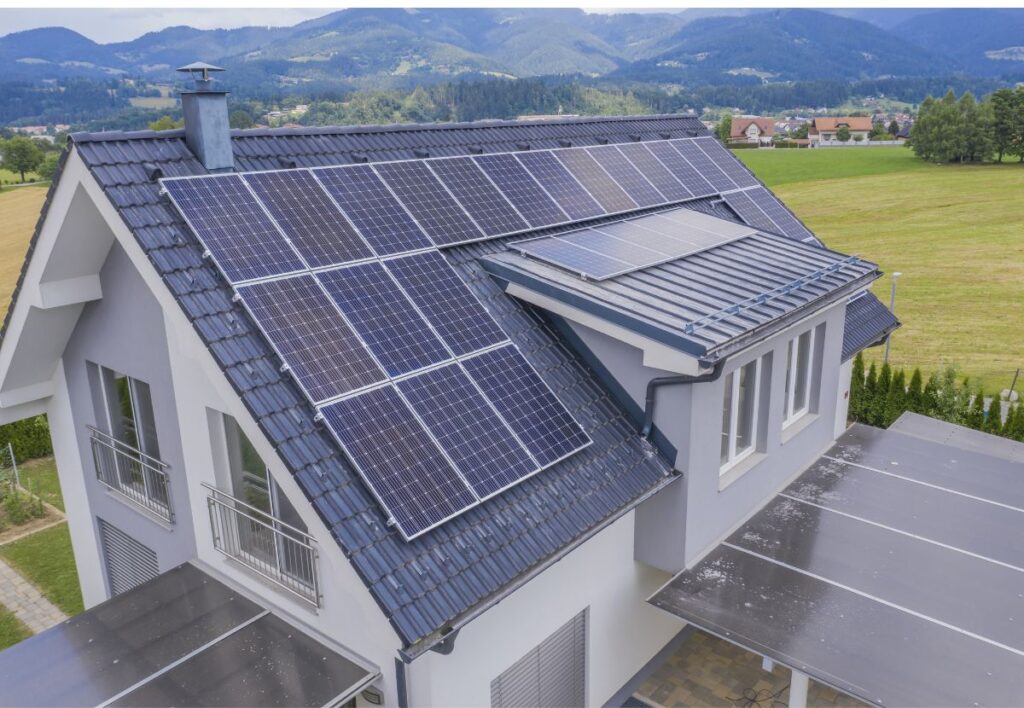
What Is a Solar Heating System and How It Works
A Solar Thermal system works by capturing the power of the sun and converting it into heat to warm water and spaces, fundamentally different from solar panels that generate electricity.
Solar Thermal vs. Solar Photovoltaic Systems
Understanding the distinction helps homeowners choose the right solar technology:
Solar Heating (Thermal) Systems:
- Convert sunlight directly into heat energy
- Use liquid or air as heat transfer medium
- Primarily for water heating, space heating, pool heating
- Cost estimates for household-sized solar water heaters are on the order of $100/sf ($1000/m2)
- Simpler technology with fewer electronic components
Solar Photovoltaic (PV) Systems:
- Convert sunlight into electricity
- Use semiconductor technology
- Power entire homes with clean electricity
- National average cost ranges from $15,000 to $25,000 for a typical residential system
- More versatile but higher initial investment
Key insight: Many homeowners benefit from combining both technologies—using solar thermal for direct heating needs and PV systems for electricity generation.
Basic Components and Operation Principles
Solar heating systems operate on straightforward thermal principles:
- Solar Collection: Solar water heating systems use solar panels to collect heat from the sun, heating water in cylinder
- Heat Transfer: Heated fluid circulates through piping to storage or directly to application
- Storage: Insulated tanks store heated water or thermal mass retains heat for later use
- Distribution: Heat is delivered where needed through existing plumbing or ductwork
The efficiency comes from directly using solar energy as heat rather than converting it to electricity first.
Types of Solar Heating Systems
Solar heating technology comes in several configurations, each suited for specific applications and climates.
Active Solar Heating Systems
Active systems use pumps, controllers, and heat exchangers to circulate heat transfer fluids.
Closed-Loop Systems (Most Common): Closed-loop, or indirect, systems use a non-freezing liquid to transfer heat from the sun to water in a storage tank. The sun’s thermal energy heats the fluid in the solar collectors. Then, this fluid passes through a heat exchanger in the storage tank, transferring the heat to the water.
Advantages:
- Freeze protection in cold climates
- Higher efficiency than passive systems
- Precise temperature control
- Can integrate with existing heating systems
Components:
- Solar collectors with freeze-resistant fluid
- Circulation pumps (requiring electrical connection)
- Heat exchangers
- A differential controller senses temperature differences between water leaving the solar collector and the water in the storage tank near the heat exchanger
- Insulated storage tanks
Passive Solar Heating Systems
Passive solar water heating systems cost $1,000 to $3,700 for the system alone. Passive systems don’t use pumps and rely on convection to circulate the water as heated water rises and cold water sinks.
Thermosiphon Systems: Natural convection moves heated water upward and cold water downward, eliminating the need for pumps. The storage tank must be positioned above the collectors.
Integral Collector Storage (ICS): Combines collection and storage in one unit, with water heated directly in the collector.
Advantages:
- Lower installation costs
- No electrical requirements
- Minimal maintenance
- Highly reliable operation
Limitations:
- Passive systems are less efficient than active systems and are susceptible to freeze damage
- Limited to moderate climates
- Requires specific positioning constraints
Solar Water Heating Systems
The most common application, solar water heating can supply 60-80% of a household’s hot water needs.
System Operation: The solar collector will use the sun’s rays to heat a transfer fluid which is usually a mixture of water and glycol (antifreeze) which prevents the water from freezing. The heated water from the collectors is pumped to a heat exchanger which would be inside the water tank in your home.
Applications:
- Domestic hot water for showers, washing, cooking
- Backup to existing water heaters
- Integration with radiant floor heating
- Commercial applications like restaurants and laundries
Solar Space Heating Systems
Solar air heating systems use air as the working fluid for absorbing and transferring solar energy. Solar air collectors can directly heat individual rooms or can potentially pre-heat the air passing into a heat recovery ventilator or through the air coil of an air-source heat pump.
Air-Based Systems:
- Heat air directly for space warming
- Can integrate with existing forced-air systems
- Lower risk of freeze damage
- Good for heating workshops, garages, or supplemental home heating
Liquid-Based Systems:
- Use heated water or glycol for radiant heating
- Can store thermal energy for night/cloudy day use
- Integration with existing hydronic heating systems
- Higher efficiency but more complex installation
Step-by-Step: How Solar Water Heating Works
Understanding the detailed process helps homeowners appreciate the technology and troubleshoot issues.
Collector Heat Absorption Process
Step 1: Solar Collection
- Flat-plate or evacuated tube collectors absorb solar radiation
- Dark-colored absorber plates convert sunlight to heat
- Selective coatings maximize heat absorption while minimizing heat loss
- Transparent covers create greenhouse effect, trapping heat
Step 2: Heat Transfer
- Heat transfer fluid (water/glycol mixture) circulates through collector tubes
- Fluid temperature rises as it absorbs heat from collector plates
- The controller starts the pump when the water in the collector is sufficiently about 8–10 °C warmer than the water in the tank
Heat Transfer and Storage
Step 3: Circulation
- Circulation pump moves heated fluid through insulated piping
- Differential controller optimizes pump operation based on temperature sensors
- System prevents reverse circulation during cold periods
Step 4: Heat Exchange
- Heat exchanger transfers thermal energy from collector fluid to potable water
- Storage tank maintains heated water for household use
- Backup heating elements provide supplemental heat when needed
Step 5: Distribution
- Heated water flows through existing plumbing to fixtures
- System integrates with conventional water heater as backup
- Thermostatic mixing valves ensure safe water temperatures
Solar Heating System Components Explained
Professional installation requires understanding each component’s role and electrical requirements.
Solar Collectors and Heat Exchangers
Flat-Plate Collectors (Most Common):
- Insulated box with dark absorber plate and transparent cover
- Cost-effective and reliable
- Good performance in moderate climates
- Standard sizes: 4′ × 8′ or 4′ × 10′
Evacuated Tube Collectors (Premium Option):
- Glass tubes with vacuum insulation
- Higher efficiency in cold weather
- More expensive but better performance
- Modular design allows custom sizing
Heat Exchangers:
- Separate collector fluid from potable water
- Coil-in-tank or external heat exchanger designs
- Sizing affects system efficiency and performance
- Material selection impacts longevity (copper vs. stainless steel)
Circulation Pumps and Controllers
Circulation Pumps:
- Low-wattage pumps (50-100 watts typical)
- Variable speed options for efficiency optimization
- Require proper electrical installation and protection
- Bronze or stainless steel for longevity
Differential Controllers:
- Monitor collector and storage temperatures
- Automated pump operation for optimal efficiency
- Safety features prevent overheating
- Integration capabilities with home automation systems
As electrical contractors, we ensure proper pump electrical connections, including appropriate circuit protection, grounding, and integration with home electrical systems for safe, code-compliant operation.
Solar Heating System Costs and ROI Analysis
Understanding costs helps homeowners make informed decisions about solar heating investments.
Installation Costs by System Type
Solar Water Heating Systems:
- Integrated collectors and what’s known as a thermosyphon system run between $1,000 and $4,000 before the cost of labor
- Active systems: $3,000-$6,000 installed
- Passive systems: $1,500-$4,500 installed
- Premium evacuated tube systems: $4,000-$8,000 installed
Solar Pool Heating Systems:
- A solar pool heating system usually costs between $2,500 and $4,000 to buy and install. This provides a payback of between 1 and 7 years, depending on your local fuel costs and available solar resource
- According to HomeAdvisor’s 2025 Pool Heating Cost Report, the average cost to install a solar pool heating system range from $4,000 to $9,000, depending on the size of your pool and the number of solar panels required
Solar Space Heating Systems:
- Air-based systems: $2,000-$5,000 installed
- Liquid-based radiant systems: $6,000-$15,000 installed
- Depends heavily on home size and integration complexity
Using a Solar Panel Cost Calculator for Complete Planning
When planning comprehensive solar solutions, homeowners often benefit from combining thermal and photovoltaic systems. A solar panel cost calculator helps evaluate total project costs and payback periods for integrated systems.
Combined System Benefits:
- Solar thermal handles hot water and heating needs efficiently
- Solar PV panels provide electricity for remaining home energy needs
- Shared installation costs (permits, electrical work, roof preparation)
- Comprehensive energy independence strategy
Financial Considerations:
- Solar heating systems typically pay back in 3-7 years
- The system pays for itself within 3 to 6 years through savings on utility
- Combined with PV systems, total home energy costs can be reduced by 70-90%
- Federal tax credits apply to both thermal and PV installations
Our solar company provides integrated planning services, helping homeowners evaluate both thermal and photovoltaic options using comprehensive cost calculators that account for energy usage patterns, local incentives, and system integration benefits.
Benefits and Limitations of Solar Heating Systems
Major Benefits:
- Direct Energy Conversion: No conversion losses from electricity generation
- Lower Installation Costs: Generally less expensive than equivalent PV systems
- Proven Technology: Decades of reliable operation
- Reduced Carbon Footprint: Significant emissions reduction for heating needs
- Energy Independence: Reduced reliance on fossil fuels
- Low Operating Costs: Minimal electricity usage for pumps and controls
Limitations to Consider:
- Weather Dependent: Performance varies with solar availability
- Space Requirements: Collectors require southern-facing roof or ground space
- Backup Systems Needed: Conventional heating required for cloudy periods
- Freeze Protection: Cold climate installations require antifreeze systems
- Seasonal Performance: Best performance during sunny months
Integration Opportunities: Many homeowners find optimal results combining solar heating with complementary technologies:
- Heat pumps for backup space heating
- Solar PV for pump and controller power
- Smart thermostats for system optimization
- Battery storage for PV system integration
Installation Requirements and Electrical Integration
Professional installation ensures safety, code compliance, and optimal performance.
Electrical Requirements:
- Pump circuits: 115V/230V depending on pump specifications
- Controller power: typically 115V, low amperage
- GFCI protection required for all electrical components
- Proper grounding for safety and code compliance
Plumbing Integration:
- Connection to existing water heating systems
- Pressure relief valves and expansion tanks
- Insulated piping for efficiency
- Freeze protection in cold climates
Structural Considerations:
- Roof loading calculations for collector weight
- Proper mounting to prevent leaks
- Access for maintenance and service
- Integration with existing roof penetrations
Our solar installation team handles all aspects of system integration, ensuring proper electrical connections, plumbing integration, and code compliance for both thermal and PV installations.
Maintenance and Performance Optimization
Routine Maintenance Requirements:
- Annual system inspections and cleaning
- Pump and controller functionality checks
- Fluid level and quality monitoring (closed-loop systems)
- Storage tank condition assessment
- Collector cleaning and debris removal
Performance Monitoring:
- Temperature monitoring at key points
- Flow rate verification
- Energy production tracking
- Backup system integration checks
Common Issues and Solutions:
- Pump failures: Usually electrical issues requiring professional service
- Fluid leaks: Require prompt repair to prevent system damage
- Controller malfunctions: Often related to sensor problems
- Reduced performance: Usually due to collector shading or scaling
Professional Service Benefits: Regular professional maintenance extends system life and maintains efficiency. Our electrical expertise ensures pump and controller issues are properly diagnosed and repaired.
Choosing the Right Solar Heating System for Your Home
Evaluation Factors:
Climate Considerations:
- Active systems required for freezing climates
- Passive systems suitable for moderate climates only
- System sizing based on solar resource availability
Application Requirements:
- Water heating: Most cost-effective application
- Pool heating: Excellent ROI and extended swimming seasons
- Space heating: Best as supplemental rather than primary heating
Integration with Existing Systems:
- Compatibility with current water heater
- Electrical service capacity for pumps and controls
- Plumbing modifications required
- Roof condition and orientation
Budget and Financing:
- Compare costs with conventional heating alternatives
- Consider combined thermal/PV installations
- Federal tax credits available for solar thermal systems
- Local utility rebates may apply
Professional Consultation Benefits: Working with experienced electrical contractors ensures proper system sizing, electrical integration, and code-compliant installation. We provide comprehensive evaluations considering your specific heating needs, existing systems, and budget requirements.
Next Steps: Planning Your Solar Heating System
Ready to explore solar heating for your home?
- Assess Your Heating Needs: Review energy bills to understand current heating costs and usage patterns
- Evaluate Your Property: Consider roof condition, orientation, shading, and available space for collectors
- Get Professional Consultation: Work with qualified installers to evaluate system options and integration requirements
- Compare Total Energy Solutions: Consider combining solar heating with PV systems for comprehensive energy independence
- Review Financing Options: Explore federal tax credits, local incentives, and financing programs available
For homeowners ready to explore solar heating options, our team provides comprehensive consultations including site assessments, system design, and integration planning. We specialize in both solar thermal and photovoltaic installations, helping you develop the most cost-effective renewable energy strategy for your home.
Solar heating systems represent proven technology with excellent return on investment, especially when integrated with comprehensive solar energy planning. Whether you’re interested in solar water heating, pool heating, or space heating, professional evaluation ensures you choose the right system for your specific needs and budget.
FAQ Of How Does the Solar Heating System Work?
What’s the difference between solar heating and solar panels?
Solar heating (thermal) systems convert sunlight directly into heat for water or space heating, while solar panels (PV) convert sunlight into electricity. Solar heating is more efficient for direct heating applications and typically costs less than equivalent PV systems.
How much does a solar heating system cost to install?
Solar water heating systems cost $1,500-$6,000 installed, solar pool heating costs $2,500-$9,000, and solar space heating costs $2,000-$15,000 depending on system type and complexity. Most systems pay for themselves within 3-7 years.
What are the types of solar heating systems?
Main types include active systems (with pumps and controllers), passive systems (natural circulation), solar water heating, solar space heating, and solar pool heating. Each type suits different applications and climate conditions.
How long do solar heating systems last?
Quality solar heating systems typically last 15-20 years with proper maintenance. Collectors can last 20+ years, while pumps and controllers may need replacement every 10-15 years. Regular