
Solar installations gone wrong can cost $15,000+ in repairs—here’s how to get it right the first time. After supervising over 500 residential solar installations across 15 years in the electrical industry, I’ve witnessed how five critical mistakes can transform a smart energy investment into an expensive nightmare.
The solar industry has exploded, with over 10.8 gigawatts of new capacity installed in Q1 2025 alone. But this rapid growth has also led to a surge in poorly executed installations. Industry surveys show that 33% of installers cite permitting and interconnection issues as their top barrier, while homeowners face even greater challenges navigating technical complexities.
When executed properly, solar systems deliver 20-30% electricity bill reductions within the first year. However, these five mistakes can slash those savings to just 5-10%, or worse, create expensive repair situations that negate any benefits.
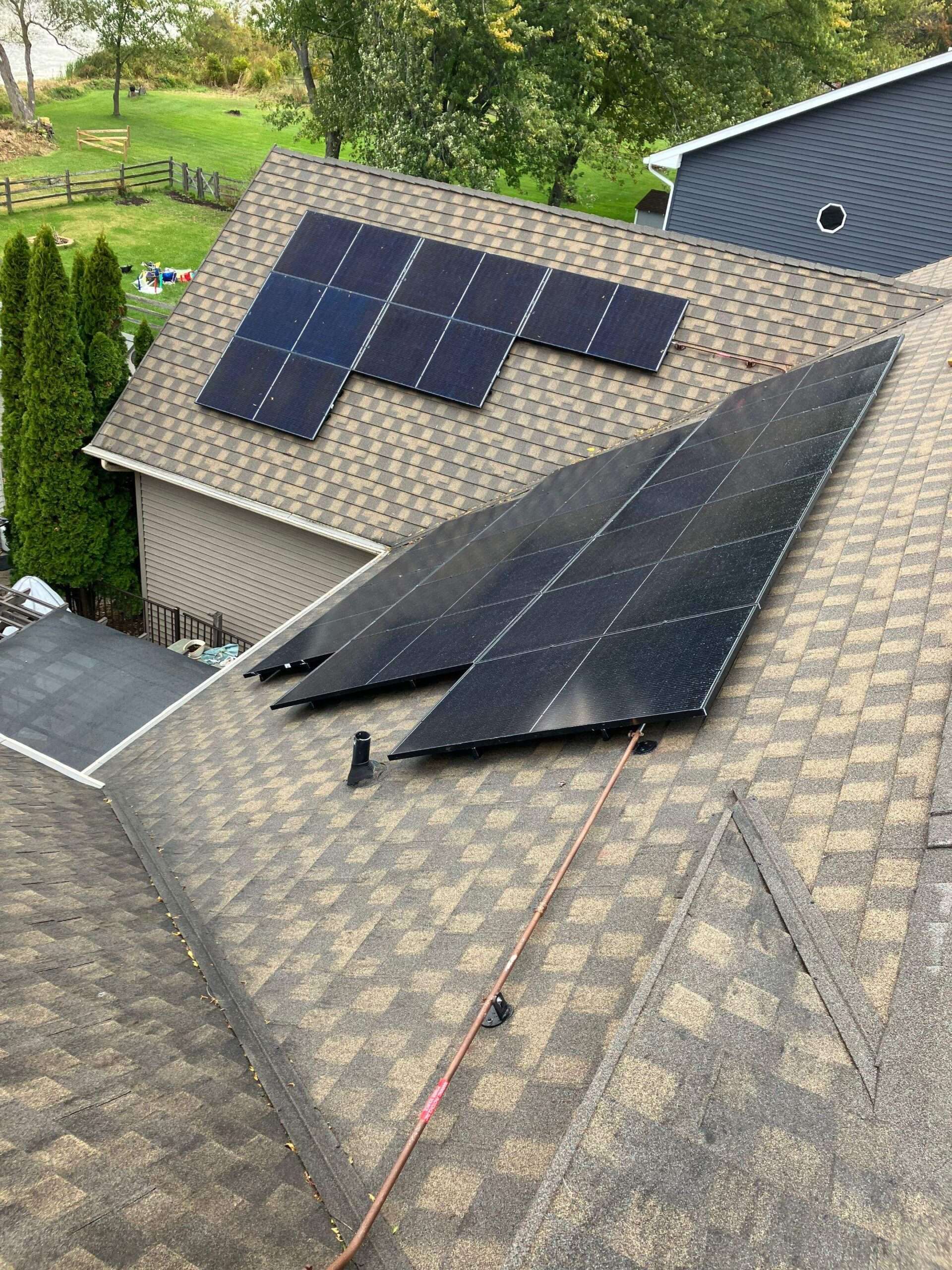
Mistake #1: Incorrect System Sizing – The $10,000+ Calculation Error
The most financially devastating error homeowners make is installing a solar system that’s either dramatically undersized or wastefully oversized for their actual energy consumption patterns.
The True Cost of Undersized Systems
During my tenure overseeing residential installations, I encountered a family who installed a 4kW system when analysis revealed they needed 7kW capacity. Their monthly electricity bills dropped only $45 instead of the projected $180 because they continued purchasing 60% of their power from the utility at peak rates.
Undersizing occurs when installers use incomplete data or fail to account for seasonal variations. A single summer month’s usage, extrapolated annually, can underestimate needs by 40% in regions with significant heating requirements.
Why Oversizing Wastes Your Investment
Conversely, oversized systems create stranded investments where excess capacity generates minimal additional value. Most utilities offer net metering rates 20-40% below retail electricity costs, meaning surplus production provides poor returns on the additional equipment investment.
I recently reviewed a 12kW installation on a home requiring only 8kW. The homeowner paid $8,000 extra for equipment that generated $600 annual surplus credits—a 20-year payback period that eliminated any financial benefit.
Professional Sizing Methodology
Proper sizing requires analyzing 12-24 months of electricity bills to identify consumption patterns, including:
Baseline Load Analysis: Identify non-seasonal electricity usage from refrigeration, electronics, and lighting—typically 40-60% of total consumption.
Seasonal Variation Mapping: Document heating/cooling loads that can vary 300% between summer and winter months.
Future Consumption Planning: Account for electric vehicles (adding 3,000-5,000 kWh annually), home additions, or major appliance changes planned within the system’s 25-year lifespan.
System Loss Calculations: Factor in 15-20% losses from inverter efficiency, wiring resistance, and panel soiling to determine actual AC production needs.
Mistake #2: Skipping Comprehensive Roof Assessment
Ignoring thorough site assessment ranks among the most common installation errors, yet many contractors rush this critical evaluation to accelerate sales cycles.
Structural Integrity Requirements
Solar installations add 2-4 pounds per square foot of additional load, requiring professional structural analysis for roofs over 10 years old or showing any signs of stress. Structural engineers report that uneven weight distribution creates localized overloading that can compromise roof integrity.
During one memorable project, we discovered compromised roof trusses during the assessment phase that would have required $12,000 in structural reinforcement before solar installation. The homeowner ultimately chose a ground-mount system, avoiding potential catastrophic roof failure.
The Age and Condition Factor
Installing solar on roofs requiring replacement within 10 years creates double costs. Panel removal and reinstallation during roof replacement can cost $3,000-$8,000, depending on system complexity.
Professional assessment should evaluate:
- Remaining shingle/membrane lifespan
- Flashing condition around penetrations
- Guttering and drainage adequacy
- Structural member condition via attic inspection
Shading Analysis Essentials
Even 10% panel shading can reduce system output by 30-50% due to series wiring configurations. Professional shade analysis uses solar pathfinders or 3D modeling to predict seasonal shading patterns from:
- Deciduous trees (winter vs. summer leaf coverage)
- Building structures (neighboring homes, chimneys, HVAC equipment)
- Planned construction (neighbor additions, landscaping changes)
Mistake #3: Wrong Inverter Configuration Choices
Inverter selection determines system efficiency, monitoring capabilities, and long-term reliability, yet many installers default to lowest-cost options without considering site-specific requirements.
String Inverter vs. Power Optimizer Trade-offs
String Inverters work effectively on unshaded roofs with uniform panel orientation, offering lowest upfront costs and centralized maintenance access. However, any single panel issue affects the entire string’s performance.
Power Optimizers provide panel-level monitoring and optimization while maintaining central inverter advantages. They’re ideal for installations with multiple roof orientations or partial shading conditions, typically adding $0.15-$0.25 per watt to system costs.
Microinverters offer maximum flexibility and detailed monitoring but introduce more potential failure points and complicate maintenance procedures.
Sizing Ratios That Actually Work
Optimal inverter-to-panel ratios range from 1.1:1 to 1.35:1, allowing for system clipping during peak production periods while maximizing energy harvest during typical conditions. Undersized inverters create bottlenecks, while oversized units operate below efficiency curves.
For example, a 10kW panel array paired with an 8kW inverter (1.25:1 ratio) might clip 2-3% of annual production but operates at peak efficiency 95% of the time, maximizing overall energy yield.
Monitoring and Maintenance Considerations
Professional installations include comprehensive monitoring systems that track:
- Individual panel performance (identifying failures or degradation)
- System efficiency trends (detecting maintenance needs)
- Production vs. consumption (optimizing usage patterns)
- Grid interaction status (identifying utility interconnection issues)
Mistake #4: Inadequate Contractor Due Diligence
The solar industry’s rapid growth has attracted both exceptional professionals and opportunistic operators. Contractor selection literally determines whether your investment succeeds or becomes a liability.
License and Insurance Verification
Verify that installers maintain current licenses for both electrical work and solar-specific installations in your jurisdiction. Additionally, confirm coverage for:
- General liability insurance ($1M minimum recommended)
- Workers compensation (protecting against on-site injuries)
- Errors and omissions coverage (protecting against design flaws)
I’ve encountered homeowners facing $25,000+ liability when unlicensed contractors caused electrical fires or structural damage without adequate insurance coverage.
Reference Checking Best Practices
Request and contact at least five recent customers, focusing on installations completed 12-24 months ago. Key questions include:
- System performance vs. initial projections
- Installation timeline and communication quality
- Post-installation support responsiveness
- Any unexpected issues and resolution approaches
- Overall satisfaction and recommendation likelihood
Red Flags in Sales Approaches
Avoid contractors exhibiting these warning signs:
- High-pressure tactics requiring same-day decisions
- Door-to-door solicitation without local business presence
- Prices significantly below market averages (typically indicating corner-cutting)
- Unwillingness to provide detailed equipment specifications
- Limited warranty coverage on workmanship or components
Mistake #5: Ignoring Safety and Code Compliance
Electrical work demands strict adherence to safety protocols and code requirements. Shortcuts in this area create fire hazards, insurance complications, and legal liabilities.
NEC Requirements for Solar Installations
The National Electrical Code (NEC) Article 690 establishes specific requirements for photovoltaic installations, including:
- Rapid shutdown systems enabling emergency responders to quickly de-energize panels
- Equipment grounding for all metallic components and mounting structures
- DC and AC disconnect placement for maintenance and emergency access
- Conduit and wiring protection meeting local electrical codes
Grounding and Safety Systems
Proper grounding protects against electrical faults and lightning strikes through multiple interconnected systems:
- Equipment grounding connects all metallic components to eliminate shock hazards
- System grounding provides reference point for electrical measurements
- Lightning protection (when required) routes strike energy safely to earth
During my career, I’ve investigated several house fires caused by improper grounding that could have been prevented with code-compliant installations.
Permitting and Inspection Process
Professional installations include comprehensive permitting and inspection processes:
- Electrical permit application with detailed system drawings
- Structural assessment (when required by local jurisdiction)
- Utility interconnection agreement and net metering setup
- Final electrical inspection confirming code compliance
- Utility inspection and permission to operate (PTO) approval
Your Solar Success Action Plan
Implementing these prevention strategies requires systematic approach and professional partnerships.
Pre-Installation Checklist
Month 1: Analyze 12-24 months of electricity bills and calculate actual energy requirements accounting for seasonal variations and future changes.
Month 2: Obtain professional roof assessment including structural, age, and shading analysis from a qualified inspector.
Month 3: Research and interview minimum three licensed contractors with local presence and verified references.
Timeline and Milestones
Weeks 1-2: System design and equipment selection with detailed performance projections Weeks 3-4: Permit applications and utility interconnection agreements Weeks 5-6: Equipment ordering and installation scheduling Weeks 7-8: Installation and initial system testing Weeks 9-10: Final inspections and utility permission to operate
Ongoing Monitoring Strategy
Professional monitoring systems should track:
- Daily energy production compared to weather-adjusted projections
- Individual component performance identifying maintenance needs
- Grid interaction status ensuring proper utility communication
Financial performance documenting actual savings vs. projections