
Solar panels represent a significant investment in your home’s energy future, but many homeowners wonder about the ongoing maintenance requirements. It is generally recommended that you perform solar panel cleaning between two and four times per year, though the actual frequency depends on several environmental and system-specific factors.
Understanding proper maintenance schedules isn’t just about keeping your panels clean—it’s about protecting a 25+ year investment that can save thousands on energy costs. This comprehensive guide reveals exactly how often your solar panels need attention and what that maintenance should include.
How Often Should You Clean Solar Panels? (The Direct Answer)
The maintenance frequency for solar panels varies based on your specific circumstances, but here’s the expert-backed schedule:
Standard Maintenance Timeline:
- Cleaning: 2-4 times annually for most installations
- Professional inspection: Every 5 years minimum
- Performance monitoring: Continuous (daily/weekly via apps)
- Deep maintenance: As needed based on monitoring data
In general, it’s recommended to clean your panels at least once or twice a year. If you live in a dusty or heavily polluted area, you may need to clean your panels more frequently.
Environmental factors significantly impact this schedule. Desert regions with frequent dust storms may require monthly cleaning, while areas with regular rainfall might only need bi-annual attention.
Seasonal Considerations:
- Spring: Post-winter deep clean to remove accumulated debris
- Summer: Monthly performance checks due to heat efficiency impacts
- Fall: Pre-winter preparation and leaf removal
- Winter: Snow removal and reduced sunlight monitoring
Seasonal Solar Panel Maintenance Schedule
Spring Maintenance (March-May)
Spring represents the optimal time for comprehensive solar panel maintenance. After winter weather, panels often accumulate debris, bird droppings, and residual snow damage.
Essential Spring Tasks:
- Complete visual inspection of panels and mounting hardware
- Thorough cleaning to remove winter buildup
- Check for micro-cracks or weather damage
- Verify monitoring system accuracy after winter dormancy
- Trim nearby vegetation that may cast shadows
Professional services typically see 40% higher demand during spring months, as homeowners prepare systems for peak summer production periods.
Summer Maintenance (June-August)
Summer maintenance focuses on performance optimization and heat-related efficiency monitoring. When the temperature gets over 77°F (or 25°C), panels lose efficiency approximately 1% per degree.
Critical Summer Actions:
- Weekly performance monitoring via smartphone apps
- Monthly dust and pollen removal in high-particulate areas
- Irrigation system adjustments to prevent water spots
- Heat damage inspection during extreme temperature periods
- Professional thermal imaging inspection (recommended annually)
Fall Maintenance (September-November)
Fall preparation ensures systems remain efficient through reduced sunlight months while preparing for winter weather challenges.
Fall Maintenance Priorities:
- Leaf removal and debris clearing before storm seasons
- Gutter cleaning around panel installations
- Weather sealing inspection before temperature drops
- Battery system maintenance for off-grid installations
- Insurance documentation photography for winter coverage
Winter Maintenance (December-February)
Winter maintenance requires the most caution but remains essential for system longevity and performance during challenging weather conditions.
Winter Safety Protocols:
- Snow removal using proper techniques and tools
- Ice dam prevention around panel edges
- Reduced production monitoring and documentation
- Professional inspection scheduling during mild weather windows
- Emergency contact information updates for weather-related issues
DIY vs Professional Solar Panel Maintenance
DIY Maintenance Capabilities
Most homeowners can safely perform basic maintenance tasks with proper equipment and safety precautions. DIY maintenance works best for:
Safe DIY Tasks:
- Ground-level visual inspections using binoculars
- Monitoring system data analysis via manufacturer apps
- Light cleaning with garden hose and soft brush
- Vegetation trimming around ground-mounted systems
- Basic performance documentation and record keeping
Required DIY Equipment:
- Soft-bristled cleaning brush with telescoping handle
- Non-abrasive cleaning solution (dish soap and water)
- Garden hose with adjustable spray nozzle
- Safety equipment including non-slip shoes
- Smartphone with manufacturer monitoring apps
When Professional Services Are Essential
Solar panels practically take care of themselves, but a little maintenance can go a long way. However, certain situations require professional expertise.
Professional Service Requirements:
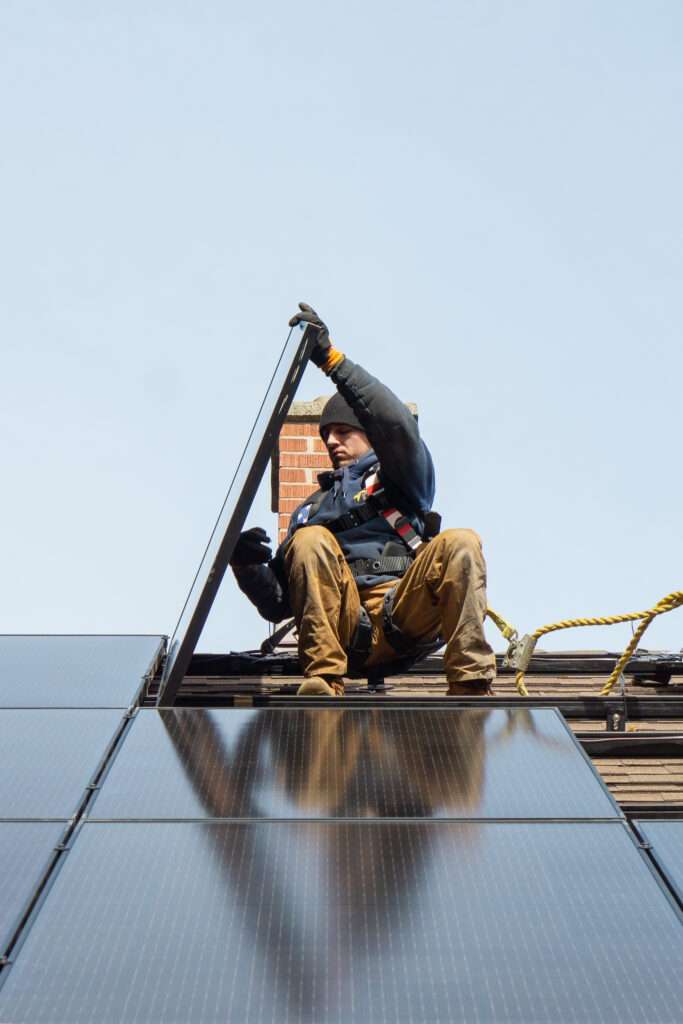
- Roof-mounted system maintenance above single-story height
- Electrical component inspection and repair
- Inverter troubleshooting and replacement
- Micro-crack detection using thermal imaging
- Warranty-related maintenance to preserve coverage
Professional Service Benefits:
- Insurance coverage for maintenance-related damages
- Specialized equipment access (thermal cameras, safety gear)
- Warranty preservation through certified maintenance
- Comprehensive system performance analysis
- Emergency repair capabilities and parts access
Professional maintenance costs typically range from $150-$400 annually but can prevent thousands in replacement costs through early problem detection.
Signs Your Solar Panels Need Immediate Attention
Performance-Based Warning Signs
Modern solar monitoring systems provide real-time data that reveals maintenance needs before they become expensive problems.
Critical Performance Indicators:
- Production drops exceeding 10% without weather explanation
- Individual panel output significantly lower than system average
- Inverter error messages or unusual status indicators
- Unexpected electrical bill increases during peak production months
- Historical production trends showing accelerated degradation
Visual Inspection Red Flags
Regular visual inspections can identify problems that monitoring systems might miss initially.
Immediate Attention Required:
- Visible cracks, chips, or physical damage to panel surfaces
- Burn marks or discoloration around electrical connections
- Loose or damaged mounting hardware
- Animal nesting evidence or pest-related damage
- Water infiltration signs around panel edges or junction boxes
Environmental Damage Indicators
Weather and environmental factors create specific maintenance needs that require prompt attention.
Weather-Related Concerns:
- Hail damage assessment following severe weather events
- Wind damage to mounting systems or electrical components
- Fire damage or smoke residue in wildfire-prone areas
- Salt corrosion in coastal installations
- UV degradation in extreme climate zones
Cost Analysis: Solar Maintenance Investment vs Returns
Annual Maintenance Cost Breakdown
Understanding maintenance costs helps homeowners budget effectively while maximizing return on investment.
Typical Annual Costs:
- DIY maintenance supplies: $50-$100 annually
- Professional cleaning services: $100-$300 per session
- Annual professional inspection: $200-$500
- Monitoring system subscriptions: $50-$200 annually
- Emergency repair reserve fund: $200-$500 annually
ROI Analysis for Proper Maintenance
Proper maintenance significantly extends system lifespan while maintaining optimal energy production levels.
Financial Benefits:
- System efficiency maintenance preserves 95%+ production capability
- Extended system lifespan from 25 to 30+ years through proper care
- Warranty preservation prevents out-of-pocket replacement costs
- Energy production optimization maximizes utility bill savings
- Property value maintenance through well-maintained renewable energy systems
Research indicates that properly maintained solar systems produce 15-20% more energy over their lifetime compared to neglected installations.
Maintenance Cost vs Replacement Analysis
Comparing maintenance investments against system replacement costs demonstrates clear financial advantages.
Cost Comparison:
- Total 25-year maintenance costs: $3,000-$7,500
- Panel system replacement costs: $15,000-$35,000
- Lost energy production from poor maintenance: $5,000-$12,000
- Insurance premium reductions for maintained systems: $500-$1,500 over system lifetime
Regional Maintenance Requirements by Climate Zone
Desert and Arid Climate Considerations
Desert installations face unique challenges requiring specialized maintenance approaches.
Desert Maintenance Priorities:
- Monthly dust removal during peak dust storm seasons
- Quarterly deep cleaning to prevent permanent panel etching
- Heat expansion joint inspection during extreme temperature periods
- Sand abrasion monitoring and protective coating assessment
- Water conservation strategies for cleaning processes
Coastal Environment Maintenance
Coastal installations require salt corrosion prevention and humidity-related maintenance protocols.
Coastal Specific Tasks:
- Salt residue removal using desalinated water cleaning methods
- Corrosion prevention for mounting hardware and electrical connections
- Hurricane preparation including removable panel systems where applicable
- Humidity control for electrical component longevity
- Storm damage assessment and rapid repair protocols
Northern Climate Winter Considerations
Northern installations require specialized winter maintenance approaches for snow and ice management.
Cold Climate Protocols:
- Snow removal techniques that prevent panel damage
- Ice dam prevention around panel mounting systems
- Heating system integration for critical installations
- Reduced production monitoring during short daylight periods
- Cold weather electrical component protection strategies
Common Solar Panel Maintenance Mistakes to Avoid
Cleaning-Related Mistakes
Improper cleaning techniques cause more damage than helpful maintenance results.
Critical Cleaning Errors:
- Using hot water on cold panels (thermal shock cracking)
- Abrasive cleaning materials that scratch panel surfaces
- High-pressure washing that damages seals and connections
- Chemical cleaners that leave residue or cause damage
- Walking on panels during cleaning processes
Timing and Frequency Mistakes
Incorrect maintenance timing reduces effectiveness while potentially creating safety hazards.
Scheduling Errors:
- Cleaning during peak sun hours (safety and efficiency concerns)
- Ignoring seasonal maintenance requirements
- Over-maintenance that wastes resources without benefit
- Under-maintenance that allows problems to compound
- Emergency repairs during dangerous weather conditions
Professional Service Selection Mistakes
Choosing inappropriate service providers can void warranties while delivering poor results.
Service Provider Red Flags:
- Unlicensed contractors performing electrical work
- Companies without solar-specific insurance coverage
- Services that don’t preserve manufacturer warranty requirements
- Providers using inappropriate cleaning chemicals or techniques
- Emergency services with excessive pricing during weather events
Advanced Monitoring: Know When Maintenance is Actually Needed
Smart Monitoring Systems
Modern monitoring technology eliminates guesswork from maintenance scheduling while optimizing system performance.
Monitoring Capabilities:
- Real-time production tracking via smartphone applications
- Individual panel performance analysis and comparison
- Weather correlation analysis for production optimization
- Automated maintenance alerts based on performance drops
- Historical data analysis for predictive maintenance scheduling
Performance Analytics and Maintenance Triggers
Data-driven maintenance scheduling improves efficiency while reducing unnecessary service calls.
Automated Maintenance Triggers:
- Production drops exceeding 5% for more than one week
- Individual panel performance 15% below system average
- Inverter error messages or communication failures
- Environmental sensor readings indicating cleaning needs
- Seasonal performance comparisons revealing degradation trends
Integration with Home Energy Management
Comprehensive energy management systems provide holistic maintenance insights beyond individual solar panel performance.
System Integration Benefits:
- Battery storage optimization through proper panel maintenance
- Grid tie system efficiency monitoring and optimization
- Energy usage pattern analysis for maintenance timing
- Utility bill impact tracking for maintenance ROI calculation
- Smart home integration for automated maintenance scheduling
What We Offer at Lehmann Electrical
We’re not a big national company pushing panels in bulk. We’re local. We’ve got licensed electricians on staff. No subcontractors. We install solar the right way the first time, and we stick around to maintain it.
Whether it’s a solar inspection, battery system optimization, or a home energy audit, we look at the full picture. Not just the roof. From Appleton to Wauwatosa to downtown Milwaukee, we’ve helped homeowners actually understand how their systems are doing. That’s what you want from your solar company.
Conclusion
Solar panel maintenance frequency ultimately depends on your specific installation environment, but following evidence-based maintenance schedules ensures optimal performance throughout your system’s 25+ year lifespan. For most homeowners, solar panels need almost no attention over their decades-long lifespan.
The key to successful solar maintenance lies in consistent monitoring, appropriate cleaning frequency, and professional service when needed. By implementing the maintenance schedule outlined in this guide, homeowners can protect their solar investment while maximizing energy production and cost savings. Remember that proper maintenance isn’t just about immediate performance, it’s about preserving warranty coverage, extending system lifespan, and ensuring reliable renewable energy for decades to come. Whether you choose DIY maintenance or professional Solar services, consistent attention to your solar panel system represents one of the best investments in your home’s energy future.
FAQs
How much does it cost to maintain solar panels per year?
On average, $150 to $300 per year for standard cleaning and inspection. Costs vary based on location, system size, roof accessibility, and whether professional services are used.
How long can solar panels last without maintenance?
Most solar panels can last 25–30 years without major issues, but without basic maintenance like cleaning or inspections, performance may decline after just a few years due to dirt buildup, wiring wear, or unnoticed damage.
Do solar panels need regular maintenance?
Yes, but not frequently. Basic visual inspections every 6 months, cleaning once or twice a year, and professional checkups every 2–3 years are usually enough to keep the system running efficiently.